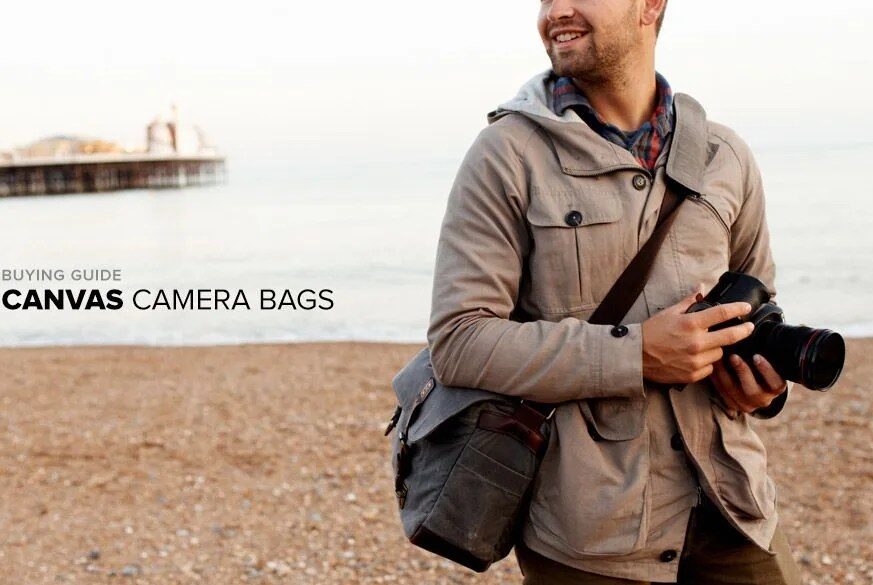
[amazon bestseller=”camera handbag”]
In the world of photography having the right gear is crucial and a reliable camera handbag can make all the difference. We understand how essential it is to protect our equipment while also maintaining a stylish appearance. With countless options available on the market today selecting the perfect camera handbag can feel overwhelming.
Our comprehensive comparison guide will explore various models highlighting their features durability and style. From compact bags for quick shoots to spacious options for travel we will cover everything you need to know about choosing the best camera handbag that suits your needs. Are you ready to elevate your photography experience with a bag that combines functionality and flair? Let’s dive into our top picks!
Choosing The Right Material For Your Camera Handbag
When selecting a camera handbag, one of the most crucial aspects to consider is the material from which it is made. The right material not only impacts the durability and protection of your gear but also affects weight, style, and overall functionality. Given that we have tested various products listed above, we can confidently guide you through this important decision.
Common Materials Used in Camera Handbags
- Nylon: Lightweight and water-resistant, nylon bags are extremely popular among photographers who need something durable yet easy to carry. Their resistance to wear makes them ideal for daily use.
- Canvas: Known for its sturdiness, canvas offers a classic look while providing good protection against minor impacts. It’s generally more breathable than synthetic materials but may not be as water-resistant unless treated.
- Leather: For those who prioritize aesthetics alongside functionality, leather handbags provide elegance and timeless style. Although heavier and potentially more expensive, quality leather can withstand significant wear over time.
- Polyester: Similar to nylon in terms of weight and versatility, polyester is often used in budget-friendly options. While it can offer decent durability, ensure you choose high-quality polyester for better performance.
- Waterproof Fabrics: Some models come with specialized waterproof materials or coatings that provide additional protection against rain or spills-ideal for outdoor photographers.
Considerations When Choosing Material
- Weight vs Durability: If you’re traveling frequently or hiking with your gear, lightweight materials like nylon might be preferable without sacrificing too much durability.
- Weather Resistance: Think about where you’ll be shooting most often; if you’re likely to encounter rain or wet conditions regularly, prioritize weatherproof fabrics in your selection.
- Protection Level: Ensure the material provides adequate padding or has compartments designed specifically to protect delicate equipment like lenses and cameras from damage during transport.
By understanding these different materials and their attributes, you’ll be better equipped to select a camera handbag that fits both your needs and lifestyle perfectly. Our comparison chart at the top will help clarify how these materials stack up across various products we’ve tested extensively for quality assurance.
Essential Features To Look For In A Camera Bag
When searching for the ideal camera handbag, it’s essential to focus on specific features that enhance usability, protection, and convenience. A well-designed camera bag should not only safeguard your gear but also cater to your unique photography style and needs. By evaluating these key elements, we can help you make an informed decision as you explore the products outlined in our comparison chart above.
Protection and Padding
One of the foremost considerations is how well a camera handbag protects its contents. Look for bags with ample padding or dedicated compartments designed to secure cameras, lenses, and accessories from shock or impact during transport. This protective feature is crucial for maintaining equipment integrity.
Accessibility
Another vital aspect is accessibility. A good camera bag allows for quick access to your gear without fumbling through multiple zippers or compartments. Features like side openings or top flaps can provide ease of entry while ensuring everything remains organized.
Comfort and Adjustability
Comfort is paramount when carrying your camera handbag over extended periods. Padded shoulder straps are a must-have, along with adjustable options that allow customization based on individual preferences. Some models even offer back support systems that distribute weight evenly, reducing fatigue during long shoots.
Size and Capacity
The size of the handbag should align with your specific needs-whether you’re packing just a camera and lens or additional accessories such as tripods and filters. Ensure you choose a model with appropriate capacity while remaining manageable in size; this will aid in both portability and organization.
Weather Resistance
If you’re often shooting outdoors, consider weather-resistant materials or added waterproofing features for extra protection against rain or moisture. This ensures that your valuable equipment stays dry regardless of environmental conditions.
Additional Organizational Features
Lastly, take note of any supplementary organizational features within the bag-such as pockets for personal items, external attachment points for tripods or water bottles, and customizable dividers to create tailored layouts inside the main compartment. These thoughtful details can significantly enhance functionality while keeping everything you need at arm’s reach.
By prioritizing these essential features in your search for a camera handbag, you’ll be better equipped to select a product that aligns perfectly with both your photographic pursuits and lifestyle needs. Our comparison guide at the beginning outlines various options we’ve rigorously tested to ensure quality assurance across all listed products.
Comparing Size And Capacity Of Different Models
When it comes to selecting a camera handbag, size and capacity are pivotal factors that can significantly influence your photography experience. Understanding how different models compare in these aspects can help you identify which bag will best suit your needs. The right handbag not only accommodates your camera gear but also ensures that you have enough space for any additional accessories you may require during shoots.
Size Considerations
The dimensions of a camera handbag play an essential role in its usability and portability. Each model varies in size, allowing for various configurations depending on the type of equipment you carry. When evaluating size, consider the following:
- Compact Models: Ideal for minimalists who prefer carrying just one camera body and a lens.
- Medium-Sized Handbags: Perfect for photographers who need extra compartments for filters, batteries, or small tripods.
- Large Capacity Bags: Best suited for those with extensive gear collections or multiple lenses requiring dedicated spaces.
Selecting the right size ensures easy transportation without sacrificing organization or accessibility.
Capacity Assessment
Capacity refers to how much gear a camera handbag can hold while maintaining structure and ease of use. While some bags might appear spacious externally, it’s crucial to assess their internal layout effectively. Here are key elements to evaluate when considering capacity:
- Compartmentalization: Look for adjustable dividers that offer flexibility in organizing your gear efficiently.
- External Pockets: Additional side pockets can provide room for personal items like keys or wallets without compromising interior space.
- Weight Distribution: A well-designed bag should balance weight evenly across all compartments to prevent strain during extended use.
To give you an overview of how various models stack up against each other regarding size and capacity, we’ve compiled data from our thorough testing process into the table below:
| Model | Size (inches) | Capacity (liters) |
|---|---|---|
| Model A | 10 x 12 x 6 | 15 |
| Model B | 14 x 10 x 8 | 25 |
| Model C | 16 x 14 x 10 | 35 |
By analyzing this information alongside our comparison chart above, you’ll gain insights into which options provide the best fit according to your specific requirements. Remember that choosing a camera handbag that matches both your equipment load and personal style is crucial not just for functionality but also comfort during shooting sessions.
Style And Design Considerations For Camera Handbags
When it comes to the aesthetics of a camera handbag, style and design can significantly influence your choice. A well-designed bag not only complements your personal style but also enhances functionality. As we explore these considerations, it’s essential to remember that the right balance between form and function will ultimately improve your photography experiences.
Aesthetic Appeal
The visual appeal of a camera handbag is often one of the first things we notice. Various styles are available, ranging from sleek and modern designs to vintage-inspired looks. Here are some factors to consider when evaluating aesthetic appeal:
- Color Options: Choose colors that resonate with your personality or complement your shooting environment.
- Material Finish: Leather, canvas, and synthetic materials all offer different looks; selecting one that matches your overall aesthetic can enhance your presence as a photographer.
- Brand Signature Styles: Some brands have distinctive design elements that make their bags easily recognizable-this can be a point of pride for many photographers.
A stylish camera handbag can make you feel more professional while on location or during casual outings.
Practical Design Elements
While aesthetics matter, practicality should never be overlooked in the design of a camera handbag. Features that contribute to usability include:
- Accessibility: Look for bags with easy-to-open compartments or zippers that allow quick access to gear without fumbling around.
- Comfort Features: Padded straps and ergonomic designs can drastically improve comfort during long shooting sessions.
- Weather Resistance: A well-designed bag should incorporate weather-resistant materials or additional covers to protect equipment from unexpected elements.
These practical features ensure that while you look good carrying your gear, you’re also prepared for any situation.
Versatility in Design
Finally, versatility is key when choosing a camera handbag. We want bags that adapt not just to our equipment but also fit into various settings seamlessly. Consider these aspects:
- Convertible Styles: Camera handbags that transform into backpacks or messenger bags provide flexibility depending on the shoot’s demands.
- Removable Inserts: Bags with removable dividers allow you to repurpose them for everyday use when not carrying camera gear.
By focusing on adaptable designs, we maximize our investment in a camera handbag while ensuring it meets our diverse needs.
Ultimately, selecting the perfect camera handbag involves balancing style with functionality and versatility. As you review options above based on these considerations, you’ll gain insights into which products align best with both your photographic requirements and personal taste.
Price Range And Value Assessment For Photography Bags
Understanding the price range of camera handbags is crucial for making an informed purchase that aligns with our budget while ensuring we receive good value for our investment. Camera handbags vary widely in price based on factors such as brand reputation, material quality, and included features. By evaluating these elements, we can determine which options offer the best balance between cost and functionality.
Budget Considerations
When setting a budget for a camera handbag, it’s essential to reflect on how frequently we plan to use it and what specific needs our photography gear entails. The following price brackets can help guide us:
- Entry-Level ($30 – $100): These bags often provide basic protection and organization but may lack advanced features or premium materials.
- Mid-Range ($100 – $300): In this category, we find a mix of durability, style, and functionality. Many reputable brands offer solid options here that come with better padding and organizational capabilities.
- High-End ($300+): For those seeking top-tier craftsmanship and advanced features like weatherproofing or customizable compartments, investing in a high-end camera handbag could be worthwhile.
Assessing Value
To assess the value of different options above, consider the following criteria:
- Durability: Higher-priced bags typically feature better materials that withstand wear and tear over time.
- Functionality: Look for practical elements such as removable dividers or additional pockets that enhance usability without compromising style.
- Warranty/Guarantee: Brands offering warranties may signify confidence in their product’s longevity; this can add long-term value to your purchase.
By comparing these aspects against their respective prices within the comparative products listed above, we will better understand which camera handbags deliver exceptional value relative to their costs. A well-informed choice ensures that we’re not just purchasing a bag but securing an essential tool that complements our photography journey effectively.