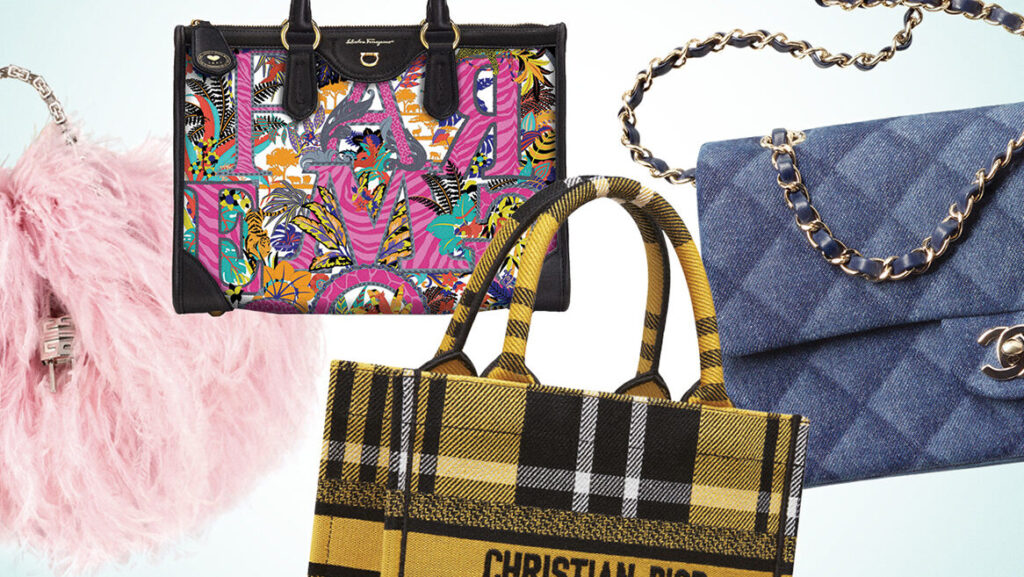
[amazon bestseller=”brand handbag”]
When it comes to elevating our style nothing does it quite like a brand handbag. These accessories not only serve a practical purpose but also showcase our personal taste and status. With countless options available in the market we find ourselves faced with exciting yet overwhelming choices that can make or break an outfit.
In this article we delve into the best comparisons of current brand handbags available today. We explore renowned labels known for their quality craftsmanship innovative designs and timeless appeal. Whether you seek a statement piece to turn heads or a versatile bag for everyday use we’ve got you covered.
Are you ready to discover which brand handbag will complement your unique style? Join us as we navigate through top contenders that promise to enhance your wardrobe and boost your confidence!
Factors to Consider When Choosing a Brand Handbag
When selecting a brand handbag, there are several critical factors that we should keep in mind to ensure our purchase aligns with both our style and needs. Each aspect contributes to the overall value and satisfaction we derive from the handbag. Understanding these elements will not only enhance our shopping experience but also help us make an informed decision when comparing products listed above.
Size and Functionality
One of the first considerations should be the size of the handbag. Depending on our lifestyle, we may require different sizes for various occasions. Here are some key points to consider:
- Daily Use: If we’re looking for a bag for everyday activities, a medium-sized handbag may offer the perfect balance between capacity and portability.
- Special Occasions: For events or evenings out, a smaller clutch or crossbody might serve better without compromising style.
- Travel Needs: If traveling is on our agenda, larger bags with ample space can accommodate essentials like laptops or documents.
Additionally, functionality plays a significant role in how well a handbag meets our needs. Features such as multiple compartments, detachable straps, or secure closures can greatly enhance usability.
Color and Style Versatility
The color and style of the brand handbag are vital aspects that affect how well it integrates with our existing wardrobe. Opting for neutral colors often ensures greater versatility; however, adding bold colors can spice up an outfit. Consider these tips:
- Classic Colors: Black, beige, or navy tend to match seamlessly with various outfits.
- Trendy Hues: Bright colors can make statements but might limit future compatibility.
Furthermore, examining different styles-such as totes versus satchels-can help determine which best fits personal aesthetics while still providing flexibility across diverse settings.
Comfort and Wearability
Assessing comfort is crucial since we’ll likely carry this accessory throughout various activities. Factors influencing comfort include strap length, weight distribution, and material softness. To evaluate wearability effectively:
- Test carrying options: Try wearing it both on shoulder and crossbody styles.
- Check weight: A heavy bag might not be ideal for extended use.
- Material feel: Ensure fabrics are comfortable against your skin.
These elements contribute significantly to overall satisfaction during daily use of your chosen brand handbag.
By taking into account these essential factors-size and functionality; color and style versatility; as well as comfort-we can navigate through the impressive selection outlined above more confidently. This strategic approach ensures that each investment in a brand handbag reflects not just personal taste but also practical consideration tailored to our lives.
Material Quality: How It Affects Durability and Style
When it comes to selecting a brand handbag, material quality is a crucial aspect that significantly influences both its durability and style. The materials used can determine how well the handbag withstands daily wear and tear, while also impacting its aesthetic appeal. Investing in high-quality materials ensures that our chosen handbag not only looks good but also lasts over time, making it a wise addition to our collection.
Leather versus Synthetic Materials
One of the primary considerations is whether to opt for leather or synthetic materials. Each type has its unique advantages:
- Leather: Known for its luxurious feel and classic look, leather ages beautifully and develops character over time. It offers excellent durability but may require regular maintenance to keep it looking pristine.
- Synthetic Materials: These often come at a more affordable price point and are available in various styles and colors. While they may lack the longevity of leather, many modern synthetics are designed to mimic the appearance of genuine leather while being resistant to stains and easy to clean.
Weave Patterns and Textures
Additionally, we should pay attention to weave patterns and textures when assessing material quality. Different textures can affect not only the visual appeal but also functionality:
- Smooth Finishes: These lend an elegant touch suitable for formal occasions.
- Textured Surfaces: Such as canvas or tweed, can provide added grip and resistance against scuffs.
Choosing a handbag with a texture that suits our lifestyle enhances both practicality and style.
Evaluating Hardware Quality
Beyond just the fabric itself, hardware quality plays an essential role in determining overall durability. Key elements include zippers, clasps, and straps:
- Zippers: High-quality zippers glide smoothly without snagging or breaking easily.
- Clasps: Secure clasps ensure that contents remain safe during use.
- Straps: Well-made straps distribute weight evenly across shoulders for better comfort.
Investing time into evaluating these components will enhance our satisfaction with any brand handbag we decide on from the options above.
In summary, understanding how material quality affects durability and style enables us to make informed choices when comparing products listed earlier in this article. By focusing on these aspects-whether it be selecting between leather or synthetic materials; exploring different weave patterns; or scrutinizing hardware-we empower ourselves to choose handbags that align perfectly with both our aesthetic preferences and practical needs.
Design Versatility: Matching Your Lifestyle and Wardrobe
Choosing the right brand handbag is not just about aesthetics; it’s also essential to consider how well a handbag complements our lifestyle and wardrobe. A versatile design can seamlessly transition from casual to formal settings, making it an invaluable addition to our collection. By understanding the various styles available, we can select a handbag that enhances our outfits while catering to our daily needs.
Style Versatility
When evaluating design versatility, one key aspect is style adaptability. Different handbags cater to varying occasions and personal tastes:
- Tote Bags: Perfect for work or shopping trips, they offer ample space without compromising on style.
- Crossbody Bags: Ideal for hands-free convenience during outings or travels, these bags combine practicality with casual flair.
- Clutches: For evening events or formal gatherings, clutches add an elegant touch while keeping essentials within reach.
Each of these styles serves distinct purposes and can be matched effortlessly with different outfits in our wardrobe.
Color and Pattern Choices
Another factor that contributes significantly to the versatility of a brand handbag is its color and pattern options. Neutral tones like black, beige, or navy are timeless choices that pair well with almost any outfit. On the other hand:
- Bold Colors: Bright hues can serve as statement pieces that uplift simple attire.
- Patterns: Floral designs or geometric prints allow us to express our personality while ensuring uniqueness in style.
By choosing handbags that align with both classic and trendy looks, we enhance their usability across multiple scenarios.
Functionality Meets Fashion
Beyond aesthetic appeal, functionality plays a crucial role when selecting a versatile brand handbag. Key features such as compartmentalization make it easier for us to stay organized throughout the day. Important considerations include:
- Pockets: Handbags with multiple pockets help keep items accessible without causing clutter.
- Adjustable Straps: These allow customization based on comfort preferences whether we’re carrying it over the shoulder or crossbody.
Investing in multifunctional designs ensures we’re ready for anything life throws at us while maintaining a chic appearance.
In summary, by prioritizing design versatility when choosing a brand handbag from those we’ve tested above, we empower ourselves to select options that harmonize with both our lifestyle needs and wardrobe selections. This thoughtful approach guarantees satisfaction and enhances every outfit we wear.
Brand Reputation: Why It Matters for Your Purchase Decision
When we consider investing in a brand handbag, reputation plays a pivotal role in our overall purchase decision. A reputable brand not only signifies quality and craftsmanship but also reflects the values and ethics behind the product. As we navigate through the various options presented at the top of this article, understanding the implications of brand reputation allows us to make more informed choices that align with our personal standards.
The Importance of Brand Trust
A strong brand reputation fosters trust among consumers. When we choose a handbag from a well-regarded brand, it often means we can expect consistency in quality and service. This reliability is particularly important when we’re spending money on luxury items, as it assures us that we are making a worthy investment. Well-established brands typically have rigorous quality control processes, ensuring that each handbag meets high standards before reaching our hands.
Ethical Considerations
In today’s market, many consumers are increasingly aware of ethical practices within brands. Factors such as sustainable sourcing, fair labor practices, and environmental responsibility can heavily influence our choice of handbags. By opting for brands known for their commitment to these values-many of which are highlighted in our comparison above-we contribute to responsible consumerism while enjoying stylish accessories.
Resale Value
Another factor linked to brand reputation is resale value. High-quality handbags from esteemed brands tend to retain their worth over time better than lesser-known alternatives. For those considering future resale or trade-in possibilities, investing in a reputable label can be financially savvy. Brands with strong followings often see higher demand in secondary markets, making them more desirable long-term investments.
By prioritizing brand reputation when selecting from the curated options listed above, we empower ourselves to choose products that not only enhance our style but also reflect our values and ensure lasting satisfaction with every purchase made.
Price Comparison: Finding the Best Value in Designer Bags
When it comes to selecting a brand handbag, price is often one of the most significant factors influencing our decision. While we may be drawn to a particular design or brand reputation, understanding the price range and what constitutes value for money can make all the difference in our buying experience. Comparing prices not only helps us identify competitive options but also ensures that we are investing wisely in quality products that will stand the test of time.
Evaluating Price vs. Quality
In our quest for the best value, it’s essential to remember that higher prices do not always equate to better quality. We must consider various elements when evaluating handbags:
- Material: Handbags crafted from premium materials like genuine leather or high-grade fabrics typically offer greater durability and aesthetic appeal.
- Craftsmanship: The attention to detail in stitching, hardware quality, and finishing touches contributes significantly to a bag’s longevity.
- Brand Value: Some brands justify their higher price tags with strong reputations and established histories of excellence.
By analyzing these components alongside pricing information from the comparison featured above, we can arrive at more informed purchasing decisions.
Understanding Pricing Tiers
To further enhance our understanding of handbag pricing, categorizing bags into tiers can provide clarity:
| Price Tier | Typical Range | Characteristics |
|---|---|---|
| Entry Level | $50 – $150 | Affordably priced options with basic designs; suitable for casual use. |
| Mid-Range | $150 – $500 | Higher-quality materials; versatile styles appropriate for both work and leisure. |
| Luxury Level | $500+ | Exclusive designs from prestigious brands; exceptional craftsmanship and investment potential. |
With this tiered approach, we can see where different handbags fall within the market spectrum. This insight allows us to explore alternatives across various budgets while maintaining quality as a priority.
Sales and Promotions
Another strategy for maximizing our investment is keeping an eye on seasonal sales or promotional events offered by retailers. Many brands frequently hold sales during specific times of the year or offer discounts on select items:
- End-of-season clearances
- Holiday promotions
- Exclusive online offers
By taking advantage of these opportunities highlighted in our product comparison above, we can secure designer handbags at more favorable prices without sacrificing quality.
Ultimately, navigating through price comparisons enables us not just to find attractive deals but also empowers us with knowledge about what makes each handbag worth its cost. By aligning our budget with well-crafted choices found earlier in this article, we ensure that every purchase reflects both style and smart financial planning.