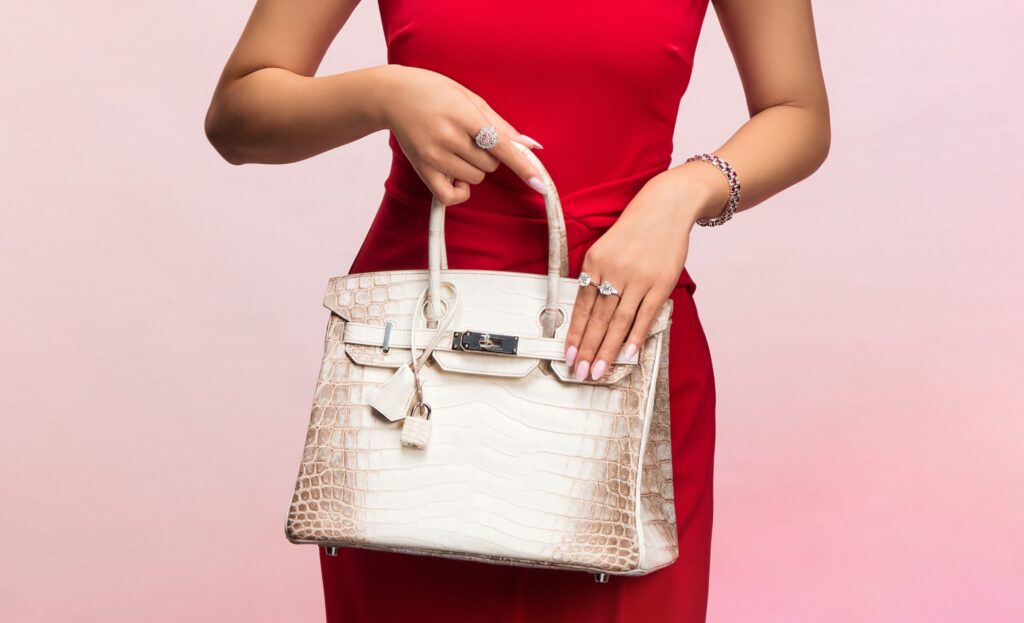
[amazon bestseller=”most expensive handbag”]
In the world of luxury fashion, few items command attention like the most expensive handbag. These exquisite pieces not only serve as functional accessories but also as symbols of status and artistry. As we explore the stunning craftsmanship and unique designs behind these handbags, we invite you to discover what truly sets them apart in a crowded market.
Our journey through the realm of high-end handbags will unveil some of the most sought-after brands and their iconic creations. From timeless classics to modern masterpieces each bag tells a story that transcends mere fashion. Are you ready to elevate your style with insights into these opulent treasures? Join us as we compare the most luxurious options available today and help you find your perfect investment piece.
Factors That Influence the Price of Luxury Handbags
The price of luxury handbags is influenced by a myriad of factors that potential buyers should consider. Understanding these elements can help us make informed decisions when selecting the most expensive handbag for our collection. From materials and craftsmanship to brand reputation, each aspect plays a significant role in determining the value of these high-end accessories.
Materials Used
The quality of materials is paramount in the luxury handbag market. High-end bags often utilize premium leathers, exotic skins, and sustainable fabrics that not only enhance durability but also elevate aesthetic appeal. Considerations include:
- Leather Types: Full-grain leather, suede, and exotic leathers like crocodile or python.
- Hardware Quality: Gold or silver-plated accents versus standard metal fittings.
- Lining Materials: Silk or cotton linings compared to synthetic alternatives.
These superior materials contribute significantly to the overall cost and desirability of luxury handbags.
Craftsmanship Standards
Another critical factor affecting pricing is the level of craftsmanship involved in creating these luxurious items. Artisanal techniques often characterize high-end brands, resulting in:
- Hand-stitching versus machine stitching.
- Limited production runs ensuring exclusivity.
- Detailed finishing touches that showcase meticulous attention to detail.
Such craftsmanship not only assures longevity but also enhances the bag’s uniqueness-a key consideration for discerning buyers looking at the comparison chart above.
Brand Heritage
Brand reputation substantially impacts handbag pricing; established luxury brands carry a legacy that commands higher prices due to their historical significance and consumer perception. Elements include:
- The brand’s history and heritage within fashion circles.
- Celebrity endorsements and influencer collaborations enhancing visibility.
- Exclusive product launches creating buzz around limited editions.
When evaluating options from our curated comparisons, we must note how brand prestige aligns with perceived value.
Understanding these factors allows us to appreciate what contributes to the price tags on some of the most expensive handbags available today. We can confidently navigate our choices by acknowledging how materials, craftsmanship, and brand heritage interplay in determining value.
Materials and Craftsmanship in High-End Bags
The combination of exceptional materials and superior craftsmanship defines the allure of high-end bags. In our quest to find the most expensive handbag, we must delve deeper into these components, as they not only determine quality but also influence resale value and desirability. Understanding what goes into these luxurious creations equips us with the knowledge needed to make informed choices when considering options from our curated comparison chart.
Materials That Matter
When it comes to luxury handbags, the importance of materials cannot be overstated. The finest bags often feature:
- Exquisite Leathers: From full-grain leather that ages beautifully to exotic skins like alligator or ostrich, each type offers unique characteristics that enhance both durability and visual appeal.
- Sustainable Fabrics: As consumers become more environmentally conscious, brands are increasingly using sustainable materials that do not compromise on luxury.
- Premium Hardware: High-quality metal fittings, such as gold-plated clasps or custom-designed zippers, add an extra layer of sophistication.
These choices significantly impact the overall cost and aesthetic of a handbag, making them essential considerations for prospective buyers.
Craftsmanship That Sets Standards
Equally critical is the level of craftsmanship involved in creating high-end handbags. This aspect can vary widely among brands but typically includes:
- Artisanal Techniques: Many luxury brands use hand-stitching methods that ensure durability while showcasing skillful artistry.
- Limited Production Runs: By producing fewer pieces, brands create exclusivity around their products, enhancing their desirability among collectors.
- Meticulous Attention to Detail: Elements such as precise stitching patterns and flawless finishing touches reflect a commitment to quality that sets premium brands apart.
Such dedication not only ensures longevity but also elevates each bag’s uniqueness-key factors when evaluating options from our top-tier comparisons above.
Expanding our understanding of how these components interact allows us to appreciate what contributes to the price tags attached to some of the most expensive handbags on today’s market. By focusing on both material excellence and craftsmanship standards, we can confidently navigate through various offerings and select pieces that resonate with our personal style while promising lasting value.
Brand Reputation and Its Impact on Value
Brand reputation plays a pivotal role in determining the value of luxury handbags, including the most expensive handbag. A brand’s history, craftsmanship standards, and public perception contribute significantly to its standing in the market. When we consider our comparisons above, it’s essential to recognize that a strong brand not only commands higher prices but also assures buyers of quality and exclusivity. This influence is often reflected in resale values as well.
The Importance of Heritage
Many high-end brands boast rich histories that enhance their allure. The story behind each label can include:
- Legacy: Brands with decades or even centuries of tradition often have built-in trust from consumers, who feel confident investing in their products.
- Cultural Significance: Some names are synonymous with luxury and style, making them highly sought after regardless of current trends.
- A Proven Track Record: Established brands tend to maintain consistent quality over time, further solidifying their reputation.
This heritage not only affects initial purchase decisions but also impacts how buyers perceive value retention down the line. High-status bags frequently hold or increase their worth due to this reinforced brand loyalty.
The emotional connection consumers have with luxury brands cannot be underestimated. Factors influencing this relationship include:
- Brand Messaging: Effective marketing strategies resonate deeply with customers, shaping perceptions around desirability and status associated with ownership.
- User Experiences: Positive interactions-whether through customer service or product performance-further enhance trust and satisfaction levels.
- Sustainability Practices: As modern consumers become more conscious about environmental issues, brands that showcase commitment to sustainability can strengthen loyalty among eco-aware shoppers.
This bond drives sales and encourages individuals to invest in top-tier options highlighted in our comparisons above. Thus, we see how a robust brand reputation translates directly into monetary value for both sellers and purchasers alike.
A clear understanding of these dynamics enables us to navigate effectively through our curated selection while identifying handbags that not only fit personal aesthetics but also promise longevity in terms of both style and investment potential. By prioritizing reputable brands within our evaluations, we ensure choices that withstand shifting market trends while remaining timelessly appealing.
Trends in the Most Expensive Handbag Market
The landscape of the most expensive handbag market is constantly evolving, influenced by a myriad of factors that shape consumer preferences and brand strategies. As we delve into current trends, it becomes apparent that both cultural shifts and economic dynamics play significant roles in determining what defines luxury today. Recognizing these trends not only helps us understand the market better but also guides our choices when exploring the handbags we’ve curated above.
Sustainability as a Driving Force
One prominent trend reshaping the luxury handbag sector is an increasing demand for sustainability. Consumers are now more inclined to invest in brands that prioritize eco-friendly practices, including:
- Sustainable Materials: A shift towards using organic or recycled materials reflects growing awareness around environmental issues.
- Ethical Production: Brands that ensure fair labor practices and transparent supply chains resonate with socially conscious buyers.
- Longevity Over Fast Fashion: There’s a noticeable preference for timeless designs that promise durability over fleeting styles.
This focus on sustainability not only enhances brand reputation but also elevates resale values, as buyers seek pieces with ethical credentials.
Digital Influence on Shopping Habits
Another transformative trend is the digitization of shopping experiences. The rise of e-commerce has made high-end handbags more accessible to a global audience, resulting in several key developments:
- Social Media Marketing: Platforms like Instagram and TikTok have become pivotal in shaping consumer desires, showcasing trending styles through influencer partnerships.
- Virtual Try-Ons: Technology enabling consumers to visualize products before purchase enhances confidence in buying decisions.
- Online Exclusives: Many brands are launching limited-edition collections available solely online, fostering urgency among potential buyers.
These digital innovations cater to modern shoppers who value convenience while maintaining exclusivity in their product selections.
Changing Demographics
The demographics of luxury consumers are shifting as well, influencing how brands position themselves. Notable patterns include:
- Younger Buyers: Millennials and Gen Z are becoming primary purchasers of high-end bags; their preferences often lean towards unique designs rather than traditional markers of luxury.
- Cultural Inclusivity: Brands increasingly recognize diverse cultural influences within their offerings to appeal to broader audiences worldwide.
As these demographic changes unfold, understanding what resonates with different segments allows us to make informed selections from our comparison list above.
By staying attuned to these trends within the most expensive handbag market, we can make choices that not only reflect personal style but also align with contemporary values and expectations. This insight empowers us as consumers to select pieces that promise enduring value both aesthetically and financially.
Investment Potential of Designer Handbags
The has garnered significant attention among collectors and fashion enthusiasts alike. As we assess the luxury market, it becomes evident that certain high-end bags can appreciate in value over time, making them not just a stylish accessory but also a smart financial decision. This realization drives many consumers to consider which pieces from our curated comparison above may serve as future investments.
One key factor contributing to this investment potential is scarcity. Limited edition releases or discontinued models often see their value increase due to heightened demand coupled with reduced availability. Additionally, iconic designs from renowned brands tend to maintain their allure, establishing a solid resale market where prices can soar well beyond the original retail cost.
Historical Performance of Luxury Handbags
To understand the gravity of investing in designer handbags, we can look at historical performance data that illustrates trends in resale values: