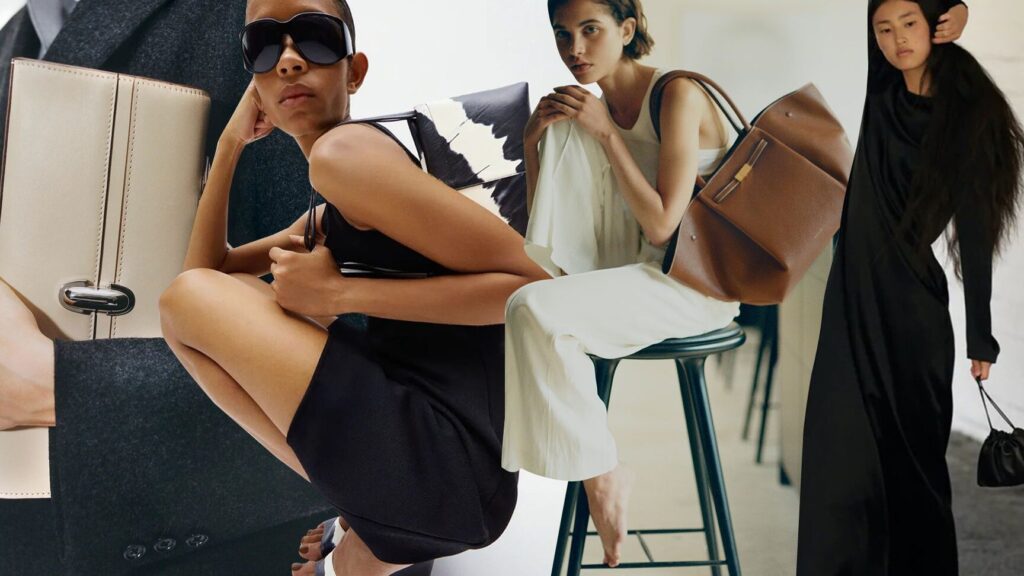
[amazon bestseller=”handbag labels”]
In the world of fashion, handbag labels can define our style and elevate our outfits. We all know that a handbag is not just an accessory; it’s a statement piece that reflects our personality and taste. With so many brands competing for our attention, choosing the perfect handbag label can be overwhelming yet exciting.
In this article, we will dive deep into the best current handbag labels that every fashion lover should consider. From luxury icons to trendy newcomers each label offers something unique. Our comprehensive comparison will highlight what makes these brands stand out in terms of quality design and value. Are you ready to discover which handbag labels align with your fashion aspirations? Join us as we explore the ultimate choices for elevating your wardrobe!
Choosing the Right Handbag Labels for Your Style
When it comes to selecting handbag labels that align with our personal style, we must first consider the unique characteristics of each label. Different brands evoke distinct aesthetics, so understanding our preferences will guide us toward the right choice. We often find ourselves drawn to specific design elements, colors, and functionalities that reflect who we are.
Identifying Your Personal Style
To start this journey, it’s essential for us to identify our personal style. Are we more inclined towards classic elegance or modern minimalism? Do bold colors appeal to us more than neutral tones? By answering these questions, we can narrow down the handbag labels that resonate with our sense of fashion.
Here are some common styles associated with various handbag labels:
- Classic: Timeless designs that never go out of fashion.
- Trendy: Bold patterns and innovative shapes reflecting current trends.
- Bohemian: Artistic details and natural materials for a free-spirited vibe.
- Sporty: Functional designs ideal for casual outings or active lifestyles.
Functionality Meets Fashion
While aesthetics is vital, functionality cannot be overlooked in our decision-making process. The perfect handbag should not only look great but also serve its purpose effectively. As we explore different handbag labels in the comparison above, let’s focus on how well each bag meets various practical needs:
- Size Options:
- Small bags for essentials
- Medium bags for everyday use
- Large totes for travel or work
- Versatility:
- Handbags suitable for day-to-night transitions
- Crossbody options for hands-free convenience
- Clutches designed for formal events
- Durability:
- Quality materials ensuring longevity
- Proven craftsmanship through consumer reviews
Understanding these factors will help us choose handbags that not only express our style but also enhance our daily lives.
Staying True to Our Budget
Finally, while luxury may tempt us into extravagant purchases, it’s crucial to stay within a budget that aligns with our financial goals. The diverse price ranges among handbag labels offer something for everyone; therefore, evaluating what features matter most within those price points is key.
By examining the products listed above and considering both their aesthetic appeal and practicality alongside their costs, we can make informed decisions regarding which handbags truly represent both quality and value without compromising on style.
Material Quality: What to Look For in Designer Bags
When considering the best handbag labels, material quality stands out as a critical factor that can significantly impact both the longevity and overall appeal of a bag. Designer handbags are often crafted from premium materials that not only enhance their aesthetic charm but also ensure they withstand daily wear and tear. As we explore the options listed above, it’s essential to know what to look for in terms of material quality when making our selection.
Types of Materials
Understanding the various materials used in handbag construction can help us identify which ones suit our needs best:
- Leather: A classic choice known for its durability and timeless elegance. Full-grain leather is particularly sought after for its strength and natural appearance.
- Canvas: Lightweight and versatile, canvas bags offer an easy-to-clean option ideal for casual use.
- Nylon: Often water-resistant, nylon is perfect for those seeking functionality without sacrificing style.
- Suede: This luxurious option provides a soft texture but requires more care to maintain its appearance.
Craftsmanship Matters
In addition to material type, craftsmanship plays a vital role in determining the quality of designer handbags. When evaluating products from our comparison above, consider:
- Stitching: Neat, even stitches indicate attention to detail and strong construction.
- Hardware Quality: Check zippers, clasps, and other hardware components; high-quality metal or treated plastic will resist tarnishing or breaking over time.
- Lining Material: The interior should be as well-made as the exterior; look for durable linings like cotton or polyester blends.
Evaluating Durability
A handbag’s durability is crucial if we’re investing in a piece that we want to last for years. Here are some indicators of durability to assess during our shopping journey:
- Weight: Heavier bags often signify sturdier materials.
- Water Resistance: Some fabrics come with treatments that protect against moisture, extending the bag’s life.
- Consumer Reviews: Insights from others who have tested these products can provide valuable information about how well they hold up under real-world conditions.
By focusing on these aspects-material types, craftsmanship details, and durability-we can make informed choices among the top handbag labels featured above. Selecting a bag that combines aesthetic appeal with robust materials ensures we invest wisely in our fashion statement while enjoying practical benefits every day.
Price Range Analysis: Finding Value in Luxury Handbags
When we evaluate the price ranges of luxury handbags, it becomes clear that understanding value is essential for making informed purchasing decisions. The world of handbag labels offers a vast spectrum, from entry-level luxury to exclusive high-end designs. By analyzing the price points, we can identify which bags provide the best combination of quality and style without overspending.
Price Categories
To simplify our analysis, let’s break down the typical price categories for luxury handbags:
- Entry-Level Luxury: Generally priced between $200 and $800, these bags often come from well-known brands that offer accessible styles while maintaining decent quality.
- Mid-Tier Luxury: Ranging from $800 to $2,500, this category includes more established designer names and higher-quality materials. Here, craftsmanship significantly improves with better detailing and finishes.
- High-End Luxury: Starting from $2,500 up to several thousands of dollars, these handbags represent top-tier brands renowned for their exclusivity. They often feature limited editions and exceptional artistry.
Understanding where each handbag falls within these categories allows us to align our budget with our expectations regarding quality and durability.
Evaluating Cost vs. Value
As we consider the products listed above, we must focus on what justifies a bag’s price tag. Here are key factors to assess when evaluating cost versus value:
- Brand Heritage: Established brands may command higher prices due to their history and reputation in craftsmanship.
- Limited Editions or Collaborations: Unique pieces created in collaboration with artists or designers often carry premium pricing but can also enhance collectibility.
- Resale Value: Some handbag labels hold their value exceptionally well; investing in such pieces can be financially savvy if you choose wisely.
By weighing these aspects against our personal style preferences and intended use-whether daily wear or special occasions-we can pinpoint which options resonate most effectively within our budget constraints.
Practical Considerations
Finally, it’s crucial to remember that a higher price does not always equate to better satisfaction or suitability for individual needs. We should consider factors like:
- Functionality: Does the bag meet practical requirements such as size or ease of access?
- Versatility: Can it transition seamlessly between different outfits or occasions?
Taking time to reflect on these considerations ensures that choosing from among those remarkable handbag labels becomes an investment rather than merely a purchase. With careful analysis of price ranges coupled with thoughtful criteria related to functionality and aesthetic appeal, we position ourselves perfectly within the luxury market landscape.
Trends to Consider When Selecting a Fashionable Bag
When choosing a fashionable bag, staying informed about current trends is crucial for ensuring that our selection not only meets personal style preferences but also aligns with what’s popular in the fashion world. Trends can significantly influence the appeal of handbag labels, reflecting changes in consumer tastes and lifestyle needs. By understanding these trends, we can make more informed choices that enhance our wardrobes and keep us stylishly relevant.
Color Palettes
One of the first aspects to consider is the color palette that dominates seasonal collections. Vibrant colors might be trending one season while neutral tones take precedence in another. Incorporating trendy colors into our handbag selections can elevate our outfits dramatically. For instance:
- Bold hues: Bright reds, vibrant blues, and striking yellows often make statements.
- Earthy tones: Shades like olive green or terracotta provide versatility and sophistication.
- Classic neutrals: Timeless blacks, whites, and beiges offer lasting appeal.
By analyzing these color trends, we position ourselves to select bags that enhance both casual and formal attire.
Shapes and Silhouettes
The shape of a bag plays a vital role in its functionality as well as its aesthetic value. Recent runway shows have highlighted various silhouettes that cater to different styles:
- Structured designs: Boxes or angular shapes convey professionalism and elegance.
- Slouchy options: Soft bags exude comfort while remaining chic for everyday wear.
- Miniature sizes: Small handbags are gaining popularity for their playful nature while encouraging minimalism.
Understanding which shapes resonate with current fashion sensibilities allows us to choose pieces from handbag labels that not only serve practical purposes but also reflect contemporary style trends.
Materials and Textures
As sustainability continues to gain traction within the fashion industry, many handbag brands are shifting towards eco-friendly materials without compromising on style. Some notable material trends include:
- Vegan leather: An ethical alternative gaining recognition among consumers who prioritize animal welfare.
- Recycled fabrics: Brands are increasingly using repurposed materials to create unique products with lower environmental impact.
- Textured finishes: Croc embossed or quilted patterns add depth and interest to otherwise simple designs.
Recognizing these material shifts helps us select brands committed to sustainable practices while still offering fashionable options.
By keeping an eye on these trends-color palettes, shapes, silhouettes, materials-we ensure our choices from the curated list above not only meet functional needs but also reflect the latest in luxury handbag design. Each element contributes to creating a cohesive look that merges practicality with high-fashion aesthetics in today’s ever-evolving market landscape.
Brand Reputation and Its Impact on Your Purchase Decision
Understanding brand reputation is vital when navigating the world of handbag labels. A well-established brand often signifies quality, reliability, and a certain prestige that can significantly influence our purchasing decisions. When we invest in a handbag, we’re not merely buying an accessory; we’re also aligning ourselves with the values and image that a brand represents. This connection can enhance our overall satisfaction with the product.
Trustworthiness of Established Brands
Brands that have built a solid reputation over time typically offer products backed by positive consumer experiences. We should consider factors such as:
- Customer Reviews: Exploring feedback from other buyers provides insights into the durability and practicality of the handbags.
- Brand History: Long-standing brands may have perfected their craftsmanship and design processes, ensuring high-quality outputs.
- Return Policies: Reputable brands often provide generous return options, reflecting confidence in their products.
By paying attention to these elements, we better position ourselves to make informed decisions about which handbag labels to trust.
Emerging Labels vs. Established Names
While established brands carry weight due to their history, emerging designers often bring fresh perspectives and innovative designs. Supporting new handbag labels can be exciting but comes with its own set of considerations:
- Quality Assurance: Newer brands may not yet have extensive reviews or proven track records; hence checking for material quality becomes essential.
- Unique Styles: Many emerging designers offer unique aesthetics that stand out from mainstream options.
- Sustainability Focus: Some newer labels emphasize eco-friendly practices, appealing to consumers who prioritize sustainability in fashion.
Balancing our desire for trendy designs with the assurance offered by established names will help us choose handbags that resonate both personally and socially.
Brand Loyalty and Resale Value
Investing in recognized handbag labels not only enhances our wardrobe but can also prove beneficial financially if we consider resale value. High-demand items often retain or even appreciate in value over time. Consequently:
- Resale Platforms: Understanding which brands are popular on resale platforms allows us to gauge long-term investment potential.
- Collector’s Items: Limited-edition releases from reputable brands may become sought-after pieces among collectors.
Incorporating brand recognition into our selection process ensures that we are making purchases that align with both personal style preferences and practical future considerations regarding resale opportunities. By being mindful of how brand reputation influences our choices from those featured above, we empower ourselves to select handbags that enrich our lives while maintaining a sense of style integrity.