[amazon bestseller=”designer handbag brands”]
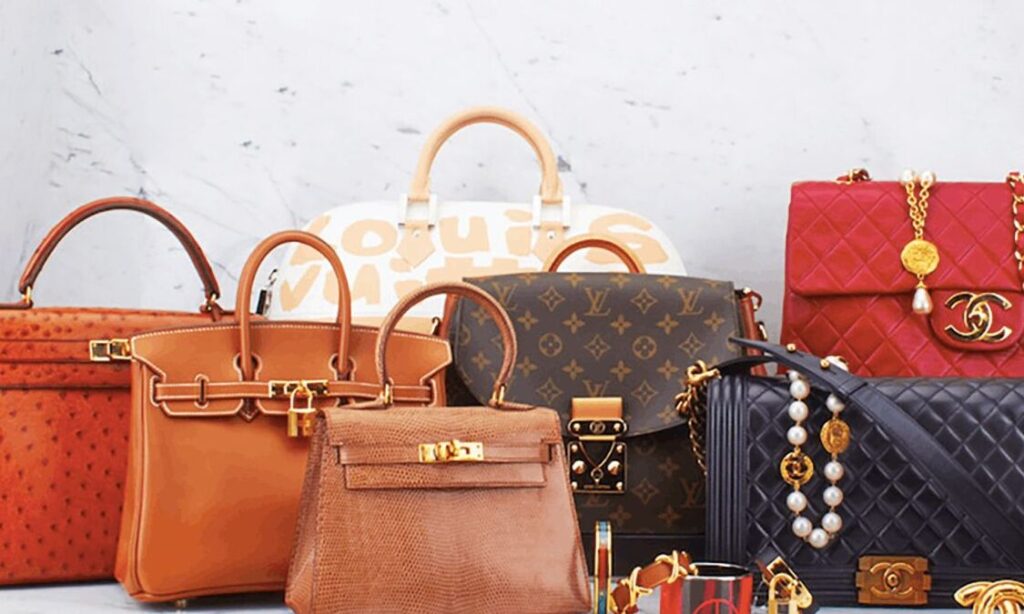
When it comes to elevating our style nothing quite compares to the allure of designer handbag brands. These iconic pieces not only serve as functional accessories but also as symbols of sophistication and status. In this comprehensive comparison guide, we explore the most sought-after designer handbag brands that have captured the hearts of fashion enthusiasts around the world.
Our mission is to provide you with an in-depth look at each brand’s unique offerings from timeless classics to contemporary designs. We’ll delve into their craftsmanship quality and design philosophy helping you make informed decisions for your next investment piece. Are you ready to discover which designer handbag brand resonates with your personal style? Join us as we unveil our top picks and insights on these luxurious bags that promise to enhance any outfit.
Choosing The Right Designer Handbag Brands For Your Style
Choosing a designer handbag brand that aligns with your personal style is crucial for making a satisfying purchase. With countless options available, it’s essential to consider both functionality and aesthetics. We have tested various products listed above, ensuring that we provide you with only the best recommendations based on quality and design. By understanding what each brand offers, you can make an informed decision that complements your wardrobe.
Identify Your Style
Before diving into specific brands, take a moment to reflect on your personal style. Are you drawn to timeless classics or modern trends? Knowing whether you prefer structured bags or slouchy silhouettes can help narrow down your choices significantly.
- Classic elegance: Look for brands known for their iconic designs and enduring appeal.
- Trendy flair: Seek out labels that consistently push boundaries with bold colors and unique shapes.
- Practical versatility: Consider designers that prioritize functionality without sacrificing style.
Research Brand Reputation
Once you’ve pinpointed your aesthetic preferences, research the reputation of various designer handbag brands. High-quality craftsmanship and ethical production practices should be paramount in your considerations:
- Check customer reviews and ratings.
- Explore social media feedback from fashion influencers and everyday users alike.
- Investigate the brand’s history regarding sustainability initiatives if this is important to you.
This research will not only inform you about quality but also ensure you’re aligning yourself with brands whose values resonate with yours.
Understand Your Budget
After identifying potential brands, it’s crucial to determine how much you’re willing to invest in a designer handbag. Prices can vary widely among different luxury labels:
| Brand Category | Price Range |
|---|---|
| Entry-level luxury | $500 – $1,000 |
| Mid-range luxury | $1,000 – $2,500 |
| High-end luxury | $2,500+ |
Understanding these categories allows us to select handbags from our comparison chart that fit within our financial parameters while still meeting our stylistic needs.
Final Thoughts on Selecting Brands
In summary, choosing the right designer handbag brand involves recognizing our individual styles, researching reputable options, and setting realistic budgets. As we explore options above tailored specifically for various tastes and preferences in designer handbags, remember that investing time in this process will yield rewards in terms of satisfaction and long-term wearability. Whether aiming for statement pieces or functional staples, we’re confident you’ll find something perfect among our curated selections.
Key Features To Look For In Luxury Bags
When considering a luxury handbag, there are several key features that can significantly influence your buying decision. Recognizing these attributes not only enhances your understanding of what makes a designer bag worth the investment but also helps you choose a product that aligns with your style and needs. Each characteristic plays a crucial role in determining the overall quality, functionality, and aesthetic appeal of the handbag.
Craftsmanship
The hallmark of any esteemed designer handbag is its craftsmanship. High-end brands often employ skilled artisans who pay meticulous attention to detail:
- Stitching: Look for bags with tight, even stitches; loose threads or uneven stitching can indicate inferior quality.
- Hardware: Quality hardware should feel substantial, not flimsy or lightweight. Check for smooth zippers and sturdy clasps.
- Lining: A well-constructed bag will have an inner lining made from premium materials that enhance durability and comfort.
Material Quality
The materials used in crafting luxury handbags impact their longevity and appearance. Some common high-quality materials include:
- Leather: Full-grain leather is often preferred for its natural texture and durability.
- Canvas: Designer canvas bags provide a lightweight option while maintaining elegance; look for treated canvases that resist stains and wear.
- Exotic skins: Bags made from python, crocodile, or ostrich skin offer unique patterns but come at higher price points due to their rarity.
By prioritizing these material characteristics when reviewing options above, you ensure you’re selecting pieces designed to withstand time while embodying luxurious aesthetics.
Functionality
While style is essential, practicality cannot be overlooked when choosing from various designer handbag brands. Consider the following functional aspects:
- Size & Capacity: Ensure the bag meets your lifestyle needs-whether you require ample space for daily essentials or prefer a compact design.
- Pockets & Compartments: Adequate organization features help keep belongings sorted; look for bags with multiple compartments for convenience.
- Comfort: Pay attention to strap length and width; padded straps enhance comfort during extended wear.
These functional elements contribute significantly to your overall satisfaction with the purchase as you navigate through our comparison chart above. By focusing on these key features in luxury bags, we equip ourselves with the knowledge needed to make informed decisions tailored to our individual preferences and lifestyles.
Understanding The Price Range Of Designer Handbags
The price range of designer handbags can vary significantly based on several factors, including brand prestige, materials used, and unique design elements. Understanding these variations is crucial for making an informed purchase that aligns with your budget while ensuring you invest in quality. As we explore the pricing landscape, we will highlight what to expect at different price points and how to assess value when considering the options presented in our comparison above.
### Entry-Level Designer Handbags
At the lower end of the spectrum, entry-level designer handbags typically start around a few hundred dollars. These bags often feature classic designs from well-known brands but may incorporate less expensive materials or simpler construction techniques. While they still offer some level of luxury appeal, buyers should be mindful of their longevity and overall quality. When exploring these options, it’s essential to assess craftsmanship details such as stitching and hardware to ensure you’re getting a worthwhile investment.
### Mid-Range Luxury Bags
As we move into the mid-range category, prices generally fall between $1,000 and $3,000. Here, you’ll find bags made from higher-quality materials like full-grain leather or treated canvas that enhance durability and aesthetics. Brands in this range often showcase more elaborate designs with intricate detailing or limited-edition collections that elevate their desirability among fashion enthusiasts. For those considering purchases within this bracket from our curated list above, focus on features such as versatility in style and functionality to maximize your investment.
### High-End Luxury Handbags
High-end luxury handbags are where prices soar beyond $3,000 and can reach well into five figures for exclusive pieces. These handbags are crafted with exceptional attention to detail by renowned designers who utilize premium materials like exotic leathers or rare fabrics that not only signify status but also promise unmatched quality. Investing in high-end bags often comes with benefits like increased resale value due to brand reputation and rarity-factors worth considering if you’re looking at long-term returns on luxury items displayed above.
| Price Range | Typical Features |
|---|---|
| $300 – $1,000 | Classic designs; basic materials; entry-level brand recognition. |
| $1,000 – $3,000 | High-quality materials; intricate details; versatile styles. |
| $3,000+ | Exceptional craftsmanship; exotic materials; exclusive designs. |
By understanding these price ranges associated with designer handbag brands highlighted earlier in our comparison chart above, we empower ourselves to make smarter purchasing decisions tailored to our personal style preferences without compromising on quality or functionality.
Top Materials Used By Leading Handbag Brands
Understanding the materials used by leading handbag brands is essential for discerning buyers who prioritize quality and longevity in their investments. High-end designer handbags are not just fashion statements; they represent a commitment to craftsmanship that begins with the selection of raw materials. By familiarizing ourselves with these materials, we can better assess the value of the products showcased in our comparison above.
Leather Types
One of the most sought-after materials in luxury handbags is leather, known for its durability and timeless appeal. Various types of leather are often utilized:
- Full-Grain Leather: This premium option retains the natural texture and imperfections of the hide, resulting in a unique appearance that ages beautifully.
- Top-Grain Leather: Slightly more processed than full-grain, this type offers a smoother surface while still maintaining high durability.
- Exotic Leathers: Materials like crocodile or python skin add exclusivity but come at a significantly higher price point due to their rarity and sourcing challenges.
Fabric Options
In addition to leather, many designer brands incorporate fabrics into their handbag designs. These fabrics can vary widely:
- Canvas: A versatile material often seen in casual styles, canvas bags offer lightweight options that are easy to maintain.
- Silk and Satin: Frequently used for evening bags, these luxurious fabrics provide an elegant touch but may require more careful handling.
- Nylon: Known for its resilience, nylon has become popular among certain luxury brands aiming for both style and practicality.
| Material | Characteristics | Price Range |
|---|---|---|
| Full-Grain Leather | Durable; unique aging process; luxurious feel. | $1,500+ |
| Top-Grain Leather | Smooth finish; slightly less durable than full-grain. | $1,000 – $3,000 |
| Crocodile Skin | Exotic; highly exclusive; requires specialized care. | $5,000+ |
Being aware of these materials allows us to make informed decisions when selecting from our curated list above. The right choice not only enhances personal style but also ensures we invest wisely in pieces that withstand time while retaining their allure. As we delve deeper into trends and innovations within high-end handbags next, it’s crucial to keep these foundational elements in mind as they play a significant role in shaping current fashion narratives.
Trends And Innovations In High-End Handbags
As we explore , it’s essential to recognize how these elements reflect not only the evolving tastes of consumers but also the influence of technology and sustainability within the fashion industry. The modern luxury handbag is no longer just a functional accessory; it has become a canvas for artistic expression, technological advancements, and eco-conscious practices. Understanding these trends can guide us in making informed choices when considering our options from the curated selections above.
Sustainable Practices
One significant trend shaping the future of designer handbag brands is sustainability. Many leading brands are now focusing on environmentally friendly practices by:
- Using Recycled Materials: Increasingly, designers are incorporating recycled components into their products. This move not only reduces waste but also appeals to eco-conscious consumers.
- Implementing Ethical Sourcing: Brands are prioritizing transparency in sourcing materials to ensure that they are obtained responsibly without harming communities or ecosystems.
- Creating Timeless Designs: By emphasizing classic aesthetics over fleeting trends, luxury handbags encourage longevity in style, reducing the frequency of purchases.
Technological Innovations
The integration of technology into high-end handbags is another fascinating development. Some key innovations include:
- Smart Handbags: Equipped with Bluetooth connectivity and charging capabilities for devices, these bags cater to tech-savvy consumers who value functionality alongside fashion.
- Augmented Reality (AR): Certain brands use AR applications that allow customers to visualize how a bag would look on them before making a purchase decision.
- Wearable Tech Integration: High-end handbags are increasingly designed with pockets specifically for wearable devices or have built-in features like health monitoring capabilities.
| Trend/Innovation | Description | Impact on Consumer Choices |
|---|---|---|
| Sustainability Initiatives | The focus on eco-friendly materials and ethical production methods. | A rise in demand for sustainable luxury items among conscious buyers. |
| Smart Features Integration | Bags that offer technology-driven conveniences such as device charging or app connectivity. | A shift towards multifunctional accessories appealing to tech-oriented users. |
| Timeless Aesthetic Focus | An emphasis on classic designs that defy seasonal trends for extended wearability. | A preference for investment pieces over fast-fashion alternatives among discerning shoppers. |
Navigating through these emerging trends allows us to appreciate how high-end designer handbag brands adapt to consumer demands while pushing boundaries in design and functionality. By staying informed about these developments, we can confidently select products from our comparison that align with both personal style and contemporary values. As we continue this exploration into choosing the right designer handbag brands for your unique taste, let’s consider how these innovations enhance not only our wardrobes but also our overall lifestyle choices.