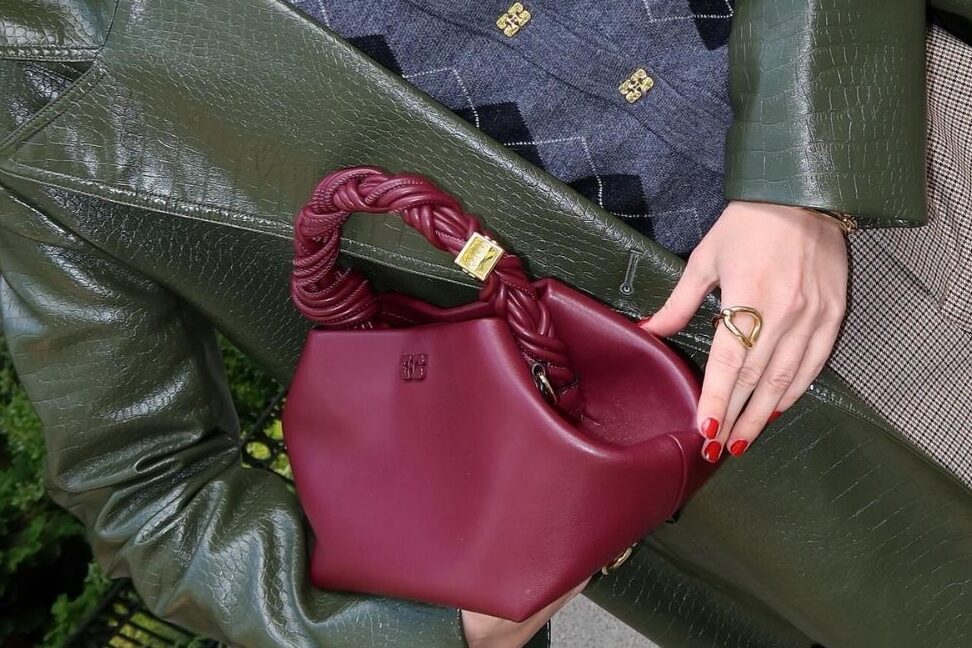
[amazon bestseller=”designer small handbag”]
In the world of fashion, designer small handbags have become a must-have accessory that combines style and functionality. These chic bags not only elevate our outfits but also offer a practical solution for carrying essentials. As we explore the current top picks in designer small handbags, we’ll highlight the standout features that make each one unique.
Our curated selection showcases the best designer small handbags available today, ensuring that there’s something for every taste and occasion. From classic silhouettes to trendy designs these handbags are crafted with quality materials and meticulous attention to detail. Are you ready to discover which iconic pieces deserve a spot in your collection? Let’s dive into our favorites and find the perfect companion for your everyday adventures!
Best Designer Small Handbag Features to Consider
When searching for the perfect designer small handbag, it’s essential to evaluate several key features that can greatly influence your choice. These elements not only determine the bag’s functionality and style but also ensure that it meets our individual needs and preferences. By focusing on these specific characteristics, we can navigate through our top picks more effectively, allowing us to select a handbag that truly complements our lifestyle.
Size and Capacity
The size of a designer small handbag is often one of the most significant aspects to consider. While these bags are designed to be compact, their interior space should be well-utilized. Look for options with:
- Adequate compartments or pockets
- Stretchable materials that allow for expansion
- Well-thought-out designs that maximize storage without compromising style
A bag that strikes the right balance between size and capacity will make it easier for us to carry daily essentials while maintaining an elegant silhouette.
Strap Options
Another crucial feature is the strap configuration. Many designer handbags come with versatile strap options, which enhance their usability:
- Adjustable lengths for versatility in wear (shoulder or crossbody)
- Removable straps for added convenience
- Double handles for ease of carrying
Choosing a handbag with flexible strap options allows us to adapt its use according to different occasions, whether we’re heading out casually or attending a formal event.
Closure Type
The closure system of a designer small handbag serves both functional and aesthetic purposes. Different types include:
- Zippers: Provide security and easy access.
- Magnetic snaps: Offer quick opening while still keeping items secure.
- Clasps: Add an element of sophistication but may require more effort to open.
Each type has its advantages; selecting one depends on how frequently we need access versus how much security we desire.
By keeping these important features in mind as we explore our curated list above, we can confidently choose a designer small handbag that fits seamlessly into our wardrobe while fulfilling practical requirements.
Top Materials for Luxury Small Bags
When selecting a designer small handbag, the materials used in its construction play a vital role in determining both quality and aesthetics. The choice of material not only affects the bag’s durability but also enhances its overall appeal, ensuring that it aligns with our personal style and functional needs. Understanding these materials helps us make informed decisions as we explore our top picks above.
Leather
Leather is often regarded as the premier choice for luxury handbags due to its timeless elegance and durability. High-quality leather bags can develop a beautiful patina over time, adding character to their appearance. When considering leather options, look for:
- Full-grain leather: Known for its natural texture and strength.
- Saffiano leather: Offers scratch resistance while maintaining a sophisticated finish.
- Suede: Provides a soft touch but requires careful maintenance.
Each type has unique properties that contribute to the bag’s longevity and aesthetic charm.
Fabric
While leather is classic, fabric options have gained popularity in the luxury market for their versatility and lightweight nature. Fabrics like canvas or nylon can be stylish yet practical choices, especially for everyday use. Key aspects include:
- Waterproof coatings: Essential for protecting against spills or rain.
- Patterned designs: Allowing for creative expression while remaining functional.
- Eco-friendly materials: Increasingly sought after by environmentally conscious consumers.
Choosing high-quality fabrics ensures that your designer small handbag not only looks chic but also withstands daily wear.
Exotic Materials
For those looking to make a statement, exotic materials such as crocodile or python skin offer unparalleled luxury. These materials are often more expensive due to their rarity and require specialized care. Considerations include:
- Unique textures and patterns that set them apart from traditional leathers.
- Limited availability; many brands produce only a handful of pieces per season.
- Ethical sourcing practices; it’s crucial to ensure responsible procurement when investing in exotic skins.
Incorporating one of these exceptional materials into your collection can elevate your style significantly while showcasing craftsmanship at its finest.
By understanding the various materials available in designer small handbags, we can better appreciate each option’s distinct characteristics and choose wisely from our curated selection above. This knowledge empowers us to invest in pieces that reflect our values while providing lasting enjoyment through both functionality and style.
Essential Styles of Designer Handbags
When it comes to designer small handbags, understanding the different styles available can significantly influence our purchasing decisions. Each style serves a unique purpose and caters to various preferences, making it essential for us to explore the options that align with our lifestyle and fashion sense. By familiarizing ourselves with these styles, we can make informed choices from our curated selection above.
Tote Bags
Tote bags are a staple in the world of designer small handbags, known for their spacious interiors and practicality. These bags often feature:
- Open tops: Providing easy access to essentials.
- Versatile designs: Suitable for both casual outings and professional settings.
- Durable materials: Ensuring longevity while maintaining elegance.
Their roomy nature allows us to carry more than just the basics, making them ideal for daily use or short trips.
Crossbody Bags
Crossbody bags have gained popularity due to their hands-free convenience. They come with an adjustable strap that sits comfortably across the body, which offers several advantages:
- Security: Keeping belongings close and safe.
- Comfort: Distributing weight evenly across the shoulder.
- Stylish options: Available in various designs that cater to diverse tastes.
This style is perfect for those who prefer a laid-back yet chic look while on the go.
Clutches
For formal occasions or nights out, clutches provide an elegant solution as they are compact and stylish. Important features include:
- Minimalist design: Offering just enough space for essentials like phones and cards.
- Variety of embellishments: From sequins to metallic finishes that add a touch of glamour.
- Versatility: Easily transitioning from daywear to evening attire.
Choosing a clutch allows us to elevate our outfit without compromising on sophistication.
By understanding these essential styles of designer small handbags, we can better identify which fits our personal needs while browsing through our top picks above. Each handbag style not only complements different outfits but also enhances our overall aesthetic by reflecting individual taste and functionality.
How to Match Your Small Handbag with Outfits
Choosing the right designer small handbag to complement our outfits can elevate our overall look and reflect our personal style. When we select a bag, it’s crucial to consider not only its design but also how it harmonizes with what we wear. By understanding color coordination, material compatibility, and style balance, we can achieve a cohesive appearance that speaks volumes about our fashion sense.
Color Coordination
One of the first aspects to consider is color. A well-matched handbag should either contrast or complement the colors in our outfit. Here are some guidelines:
- Neutral bags: Bags in black, white, beige, or gray can seamlessly fit into various outfits.
- Bold colors: A vibrant handbag can serve as a statement piece against neutral clothing.
- Pattern matching: If wearing patterned attire, aim for solid handbags that pick up one of the hues within the print.
By applying these principles of color coordination, we enhance not just our outfit but also bring attention to the designer small handbag itself.
Material Compatibility
The material of both the outfit and handbag plays a significant role in achieving harmony. For instance:
- Casual fabrics: Pairing denim or cotton outfits with leather or canvas handbags offers an appealing juxtaposition.
- Formal attire: Opting for bags made from luxurious materials like silk or satin complements sophisticated dresses perfectly.
- Seasonal considerations: Lighter materials are ideal for spring/summer looks while heavier textures work best during fall/winter.
Understanding these elements helps us choose a designer small handbag that aligns beautifully with various outfits.
Style Balance
Finally, maintaining balance between styles is crucial for creating an aesthetically pleasing ensemble:
- Structured bags pair well with tailored clothing for a polished look.
- Soft or slouchy bags suit relaxed or bohemian-inspired outfits effortlessly.
- Consider occasion appropriateness; for instance, clutches work wonderfully for formal events while crossbody bags shine in casual settings.
By ensuring that each component of our outfit works together cohesively-whether it’s through matching colors, compatible materials, or balanced styles-we create visually striking combinations. This thoughtful approach will undoubtedly guide us toward selecting the perfect designer small handbag from our curated options above.
Care Tips for Maintaining Your Designer Bag
Caring for our designer small handbag is essential to ensure its longevity and maintain its aesthetic appeal. Proper maintenance not only preserves the bag’s appearance but also protects our investment, allowing us to enjoy it for years to come. Here, we’ll explore practical tips that can help us keep our luxury handbags in pristine condition.
Regular Cleaning
One of the most effective ways to maintain our handbag is through regular cleaning. Here are some steps we should incorporate into our routine:
- Dusting: Use a soft cloth or brush to gently remove dust from the exterior.
- Spot cleaning: For minor stains, apply a damp cloth with mild soap and gently dab the affected area.
- Deep cleaning: Depending on the material, consider professional cleaning services periodically to address deeper issues.
Proper Storage
How we store our designer small handbags can significantly impact their lifespan. Here are some storage practices to consider:
- Use dust bags: Always store your handbag in its original dust bag when not in use.
- Keep shape intact: Stuffing the bag with tissue paper or using a bag shaper helps maintain its structure.
- Avoid direct sunlight: Store in a cool, dry place away from direct sunlight to prevent fading and damage.
Handling with Care
Being mindful of how we handle our bags can prevent unnecessary wear and tear:
- Limit heavy loads: Avoid overloading your handbag; excessive weight can strain handles and seams.
- Watch where you place it: Try not to set your bag down on dirty surfaces or rough ground.
- Be cautious with liquids: Keep beverages secured to avoid spills that could stain or damage materials.
By integrating these care tips into our daily routine, we ensure that every designer small handbag remains as beautiful as when we first purchased it. This attention to detail will help us appreciate the quality craftsmanship of these luxurious pieces while making informed choices about protecting them long-term, just like those options we’ve discussed above.