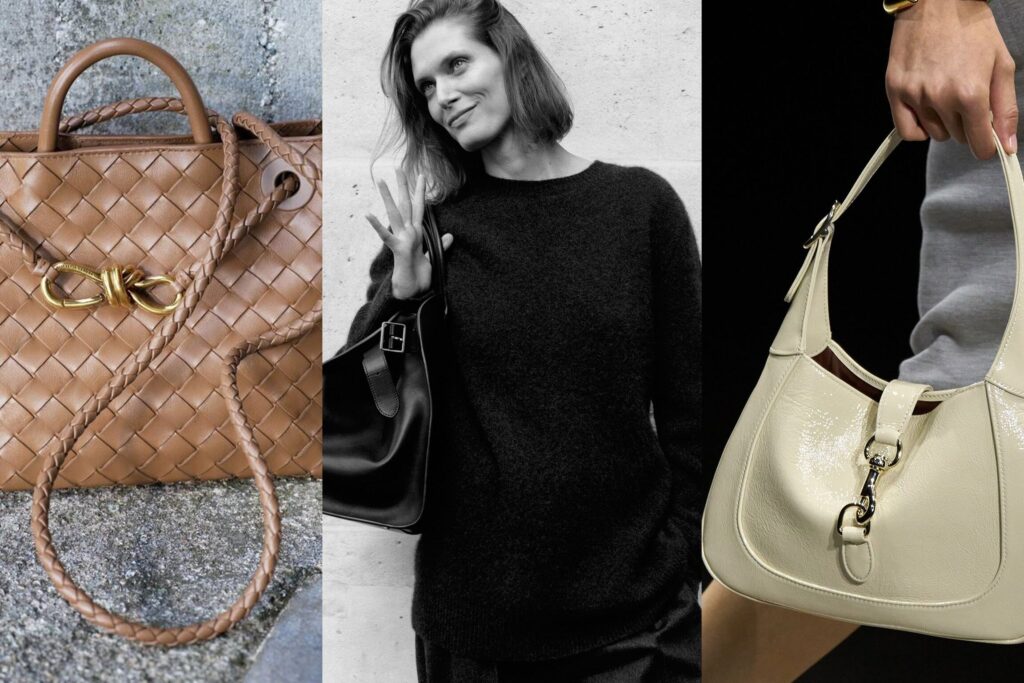
[amazon bestseller=”designer style handbag”]
In the world of fashion, designer style handbags hold a unique allure that captivates us all. These accessories are not just practical; they make powerful statements about our personal style and sophistication. As we explore the vast array of options available, we recognize that choosing the perfect handbag is both an art and a science.
Our comprehensive comparison delves into the finest designer bags currently on the market. From timeless classics to modern must-haves each piece embodies elegance and functionality. We aim to highlight key features such as craftsmanship materials and versatility which will guide you in making an informed decision for your next investment.
Are you ready to elevate your accessory game? Join us as we uncover top picks that redefine luxury while ensuring you stand out from the crowd. Let’s discover together what makes each handbag truly exceptional!
Choosing the Right Designer Style Handbag for Your Needs
Choosing the perfect designer style handbag can feel overwhelming, given the vast array of options available in the market today. To ensure we select a handbag that meets our unique needs, it’s essential to consider various factors such as functionality, aesthetics, and personal lifestyle. By carefully evaluating these aspects, we can confidently choose a bag that not only complements our wardrobe but also serves its intended purpose effectively.
Assessing Functionality
When considering a designer style handbag, functionality should be at the forefront of our decision-making process. It’s crucial to think about how we plan to use the bag daily. Here are some key functional elements to ponder:
- Size: Determine if we need a small clutch for evenings out or a larger tote for everyday errands.
- Compartments: Look for bags with multiple pockets and compartments to keep essentials organized.
- Accessibility: Consider how easy it is to access items within the bag-zippers and closures should be user-friendly.
By prioritizing these functional features, we ensure that our chosen handbag aligns with our daily activities and routines.
Personal Style Considerations
While functionality is vital, personal style plays an equally important role in selecting the right designer style handbag. We must think about what reflects our personality and fashion sense:
- Color Palette: Choose colors that complement our existing wardrobe while also fitting into current trends.
- Design Aesthetics: Identify whether we prefer classic styles or more contemporary looks; this helps narrow down options significantly.
- Brand Preference: Some brands may resonate with us more than others based on their history or design philosophy.
By aligning these aesthetic considerations with our personal taste, we can find a handbag that feels uniquely ours.
Evaluating Durability
Durability is another critical aspect when selecting a designer style handbag. Investing in high-quality materials ensures longevity and value for money over time. Factors to consider include:
- Material Quality: Familiarize ourselves with different materials used in handbags (e.g., leather vs. synthetic) and their respective pros and cons.
- Stitching & Construction: Examine seams closely; well-crafted handbags often feature reinforced stitching which enhances durability.
Understanding these elements helps us make informed decisions while shopping through the products listed above.
In summary, by focusing on functionality, personal style preferences, and durability when choosing a designer style handbag, we’re better equipped to find an option that truly fits our needs. The comparison chart provided earlier showcases various products we’ve tested personally so you can explore your ideal choice confidently.
Key Features to Look for in High-Quality Handbags
When searching for a high-quality designer style handbag, certain features can significantly enhance our overall experience and satisfaction with the product. Understanding these key characteristics not only helps us make informed decisions but also ensures that we invest in a handbag that stands the test of time while meeting our needs. Here are essential features to consider:
- Craftsmanship: A well-crafted handbag exhibits attention to detail, such as even stitching and precise finishing. This is critical as it directly affects both durability and aesthetic appeal.
- Material Selection: High-quality handbags often utilize premium materials like genuine leather or carefully chosen fabrics that ensure longevity and an upscale look.
- Brand Reputation: Opting for bags from reputable brands known for their quality standards can provide peace of mind regarding craftsmanship and material integrity.
In addition to these fundamental aspects, examining the hardware used in the handbag is equally important.
Hardware Quality
The hardware on a designer style handbag plays a pivotal role in its functionality and visual appeal. We should assess:
- Durability of Zippers: Ensure zippers glide smoothly without snagging; this indicates good construction quality.
- Buckles & Clasps: Look for robust metal components rather than plastic alternatives, which can break easily over time.
Quality hardware not only enhances usability but also contributes to the overall luxurious feel of the bag.
User Experience Features
Lastly, we must consider user experience features that enhance convenience:
- Padded Straps or Handles: Comfortable handles or straps reduce stress during prolonged use, making daily carry much more enjoyable.
- Lining Material: An interior lining made from soft yet durable fabric protects our belongings while adding an extra touch of luxury.
By focusing on these key features when selecting a designer style handbag, we’re better equipped to identify options listed above that meet our expectations in terms of quality, functionality, and aesthetics.
Comparing Popular Materials Used in Designer Style Handbags
When we consider the materials used in designer style handbags, it becomes evident that they significantly impact both the aesthetic and functional qualities of the product. Each material brings its own unique characteristics to a handbag, affecting how we perceive its value and durability. Understanding these materials allows us to make informed decisions when selecting from the options listed above, ensuring that we choose a handbag that aligns with our preferences and lifestyle.
Leather
Genuine leather is often regarded as the gold standard for luxury handbags due to its durability and timeless appeal. This material can age beautifully, developing a unique patina over time. However, not all leather is created equal; there are various types such as:
- Full-grain: The highest quality leather with minimal processing.
- Top-grain: Slightly more processed but still retains many desirable traits.
- Bonded leather: Made from scraps and fibers bonded together-less durable and often more affordable.
Choosing high-quality leather ensures longevity and enhances the overall look of our designer style handbag.
Fabrics
While leather dominates the luxury sector, several premium fabrics also deserve attention. They can offer striking designs while being lightweight and easy to maintain. Popular fabric options include:
- Canvas: Known for its strength; often treated for water resistance.
- Nylon: Lightweight yet robust; frequently used in casual or sporty styles.
- Silk or Satin: Adds elegance but may require more careful handling to avoid damage.
These fabrics provide versatility in design choices without compromising on style or functionality.
Synthetic Materials
In recent years, synthetic materials have gained popularity as sustainable alternatives to traditional materials. High-quality synthetics can mimic genuine leather while offering benefits like ease of cleaning and reduced environmental impact. Examples worth noting are:
- Polyurethane (PU): Resilient against wear while maintaining an upscale appearance.
- Recycled Polyester: An eco-friendly option made from recycled plastics that also supports sustainability initiatives.
By considering these innovative materials, we can expand our options when selecting a designer style handbag without sacrificing quality or ethics.
Conclusion
Each material used in designer style handbags plays a crucial role in defining their overall character. By examining these popular choices-leather, fabrics, and synthetics-we position ourselves better to select handbags that not only meet our personal taste but also offer durability for everyday use. As we explore options above, understanding these differences will help us identify which bags align best with our needs and preferences.
Understanding Price Ranges and Value for Money
When it comes to selecting a designer style handbag, understanding the price ranges associated with different brands and materials is crucial for making an informed decision. Price can often reflect quality, craftsmanship, and brand reputation; however, it’s essential to assess whether a particular handbag offers value for money. By grasping the various factors that influence pricing, we can better evaluate our options from the comparison chart above.
Price Ranges
Designer style handbags typically span a wide range of prices. Here’s a breakdown of what you might expect:
- Entry-Level Luxury: $200 – $500
These bags often feature trendy designs and are made from synthetic materials or lower-grade leather. They provide an excellent entry point into designer styles without breaking the bank.
- Mid-Range Luxury: $500 – $1,500
At this tier, you’ll find higher-quality materials like full-grain leather and more intricate designs. Brands in this category offer durability along with stylish aesthetics.
- High-End Luxury: $1,500 – $5,000+
Handbags at this level represent some of the finest craftsmanship available. Expect premium materials, limited editions, and iconic designs that stand the test of time.
Understanding these ranges helps us align our budget with our expectations when exploring products listed above.
Assessing Value for Money
To ensure we’re getting our money’s worth when purchasing a designer style handbag, several factors should be taken into account:
- Material Quality: As discussed previously regarding leather types and fabric choices, high-quality materials contribute significantly to longevity and overall satisfaction.
- Brand Reputation: Established brands often come with warranties or guarantees regarding their products’ authenticity and quality assurance.
- Functionality vs Aesthetics: We should consider how well a handbag meets our daily needs while also reflecting personal style preferences.
- Resale Value: Some designer handbags retain their value exceptionally well over time; investing in such items could yield returns if we decide to sell them later on.
By weighing these considerations against pricing structures from the comparison chart above, we can confidently navigate through options that not only appeal visually but also serve as wise investments in fashion accessories suited to our lifestyles.
How to Match Your Handbag with Different Outfits
Matching a designer style handbag with your outfits can elevate your overall look and ensure that you always appear polished and put-together. The key is to consider both the color palette and the style of your handbag in relation to the clothing you’re wearing. By understanding how different elements interact, we can select handbags that not only complement our attire but also express our personal style.
Color Coordination
One of the first steps in matching a handbag with an outfit is choosing colors that harmonize well together. Here are some tips for effective color coordination:
- Neutral Bags: Opting for neutral shades like black, beige, or gray allows for versatility across many outfits. These bags pair effortlessly with almost any color scheme.
- Bold Colors: If your outfit features muted tones, adding a bold-colored handbag can create a striking contrast that draws attention without overwhelming your look.
- Matching Tones: For those who prefer a cohesive appearance, selecting a handbag in a similar hue to one of the dominant colors in your outfit can create an elegant monochromatic effect.
Style Considerations
The style of the designer handbag should align with the overall vibe of your outfit. Different occasions call for varying styles:
- Casual Outfits: For relaxed looks such as jeans and t-shirts, slouchy totes or crossbody bags often work best. They offer comfort while maintaining casual chicness.
- Professional Attire: Structured handbags in leather or high-quality materials add sophistication to business wear. A classic satchel or briefcase-style bag enhances professionalism during meetings.
- Evening Looks: When dressing up for events or nights out, clutch bags or smaller elegant handbags provide just enough space for essentials while complementing formal dresses beautifully.
Practical Tips
To further streamline our choices when matching handbags with outfits, here are practical guidelines we can follow:
- Assess Outfit Occasion: Always consider where you’re going; this will guide both style and functionality needs.
- Evaluate Size Needs: Ensure that the size of the handbag suits what you need it for-whether it’s carrying daily essentials or just necessities for an evening out.
- Test Combinations Beforehand: We recommend trying on different combinations before heading out to see what feels right visually and practically.
By integrating these strategies into our selection process, we position ourselves to choose designer style handbags that not only match perfectly with various outfits but also enhance our wardrobe as a whole. With thoughtful consideration based on color and style dynamics outlined above, making informed decisions will lead us toward investment pieces from the comparison chart earlier in this article that truly resonate with our fashion preferences.