[amazon bestseller=”handbag manufacturer”]
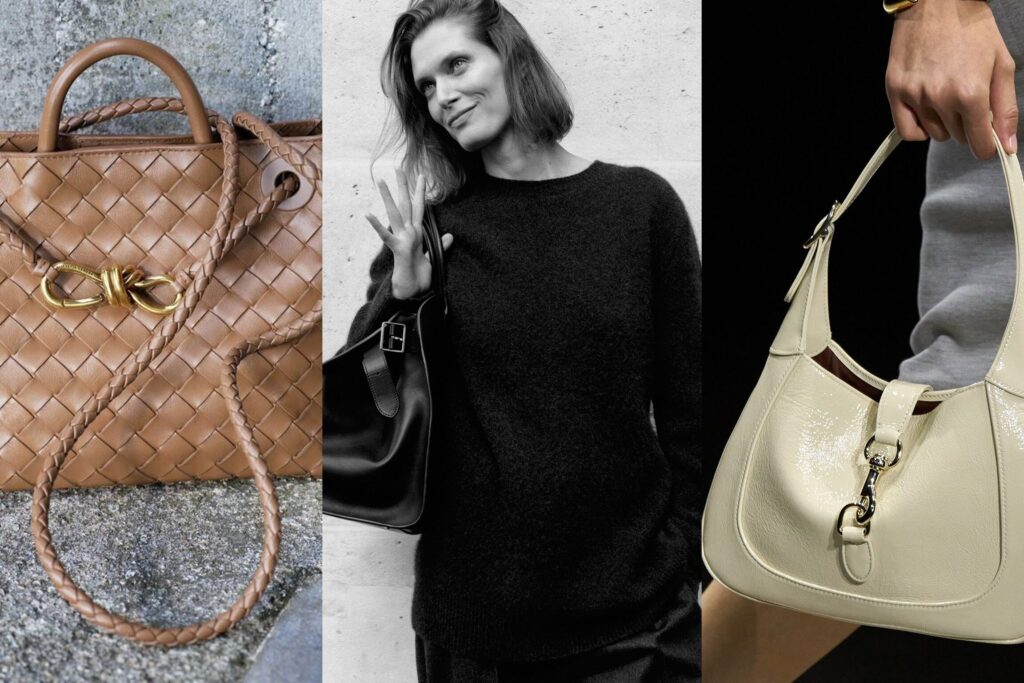
In the world of fashion, a handbag is more than just an accessory; it’s a statement piece that reflects our personal style. Finding the right handbag manufacturer can make all the difference in quality and design. As we explore some of the best options available, we’ll delve into a comprehensive comparison guide that highlights key features and unique attributes.
We understand how overwhelming it can be to choose from countless handbag manufacturers. That’s why we’ve meticulously researched and compiled insights to help you navigate this vibrant market. From luxury brands to sustainable options we’ll uncover what sets each manufacturer apart, ensuring you make an informed decision tailored to your needs.
Are you ready to discover which handbag manufacturers stand out in terms of craftsmanship and innovation? Join us as we unveil our top picks for handbags that blend functionality with style, elevating your wardrobe with every choice you make.
Choosing the Right Handbag Manufacturer for Quality and Durability
Choosing the right handbag manufacturer is crucial for ensuring that you invest in a product that not only looks stylish but also stands the test of time. Quality and durability are key factors when selecting your ideal handbag, as these attributes directly influence both functionality and aesthetic appeal. A well-made handbag can elevate your look while providing long-lasting use, making it essential to scrutinize potential manufacturers.
Factors Influencing Quality
When evaluating different handbag manufacturers, consider the following factors:
- Craftsmanship: The skill level of artisans involved in production plays a significant role in overall quality. Look for brands known for their meticulous attention to detail.
- Materials Used: High-quality materials contribute significantly to durability. Reputable manufacturers often use premium leather or sturdy canvas that withstands wear and tear.
- Production Methods: Sustainable and ethical manufacturing processes can indicate a commitment to quality. Brands prioritizing craftsmanship over mass production tend to produce superior handbags.
Evaluating Manufacturer Reputation
Researching a manufacturer’s reputation helps us gauge reliability:
- Customer Reviews: Feedback from previous buyers provides insight into product performance and longevity.
- Brand History: Established manufacturers with years of experience often have refined techniques that enhance product quality.
- Warranty Policies: Companies offering warranties demonstrate confidence in their products’ durability, which is an encouraging sign for consumers.
By focusing on these aspects, we can make informed decisions when selecting from the various options presented above in our comparison chart. Investing time into understanding what sets each manufacturer apart will help ensure that we choose a handbag that meets our needs without compromise on style or function.
Testing Products
Finally, it’s vital to consider how products perform under real-life conditions. We recommend looking for reviews or testimonials specifically mentioning durability tests or prolonged usage experiences. This information can provide clarity on how well each option holds up over time.
In summary, choosing the right handbag manufacturer involves assessing craftsmanship, materials used, brand reputation, and real-world performance testing results-all critical aspects highlighted in our comparison guide above. By doing so, we position ourselves to select a high-quality handbag tailored perfectly to our lifestyle needs.
Key Features to Look for in a Handbag Brand
When selecting a handbag manufacturer, it’s essential to look beyond the surface and focus on specific features that reflect quality and functionality. The right handbag brand should not only resonate with your style but also promise long-lasting performance. By understanding key attributes, we can make more informed decisions when exploring the products highlighted in our comparison chart above.
Design Aesthetics
A well-thought-out design goes hand in hand with functionality. Look for brands that prioritize contemporary styles while ensuring versatility across different occasions. Consider:
- Color Options: A diverse color palette allows you to select pieces that complement your wardrobe.
- Silhouette Variety: Whether you prefer tote bags, crossbody styles, or clutches, a range of silhouettes offers choices for various needs.
- Detailing and Finishing Touches: Elements such as stitching quality and hardware choice can elevate the visual appeal of a handbag.
Functional Features
Beyond aesthetics, practical elements enhance usability significantly. We recommend checking for:
- Pocket Organization: Well-designed internal pockets help keep essentials easily accessible.
- Closure Types: Secure closures like zippers or magnetic snaps ensure safety without sacrificing style.
- Adjustable Straps: Versatile strap options allow customization based on comfort preferences.
Brand Values
Understanding the core values of a handbag manufacturer can impact purchasing decisions as well. Brands committed to sustainability often use eco-friendly materials and ethical labor practices, which resonate with many conscious consumers today. Look for:
- Transparency in Sourcing Materials: Brands sharing details about their production processes typically showcase higher integrity.
- Commitment to Social Responsibility: Manufacturers involved in community initiatives often demonstrate broader values beyond just profit.
By keeping these features in mind while navigating through our comparison guide above, we position ourselves to choose handbags from manufacturers that align with our preferences and expectations for quality craftsmanship and stylish designs.
Understanding Material Options: Leather, Canvas, and More
When considering a handbag manufacturer, the materials used in their products play a crucial role in determining quality, durability, and overall aesthetic appeal. Understanding the various material options available can help us make more informed choices as we examine the handbags featured in our comparison chart above. Different materials not only affect the look and feel of a handbag but also its performance over time.
Leather
Leather has long been favored for its luxurious appearance and durability. When selecting leather handbags, it’s essential to distinguish between types such as full-grain, top-grain, and bonded leather. Each type offers different levels of quality:
- Full-Grain Leather: Known for its natural finish and resistance to wear, this is often considered the highest quality.
- Top-Grain Leather: Slightly more processed than full-grain, it maintains a high-end look while being more affordable.
- Bonded Leather: Made from leftover scraps glued together, this option is less durable but often comes at a lower price point.
Investing in higher-quality leather can yield long-lasting results that withstand daily use.
Canvas
Canvas is another popular choice among handbag manufacturers due to its lightweight nature and versatility. Typically made from cotton or linen, canvas bags are easy to clean and maintain. We should consider these aspects when looking at canvas options:
- Water Resistance: Many brands offer treated canvas that repels water effectively.
- Weight Capacity: Canvas is sturdy enough to carry heavier items without compromising structure.
- Design Variety: The ability to print vibrant designs on canvas allows for creative expression.
For individuals seeking practicality combined with style, canvas handbags can be an excellent choice.
Synthetic Materials
In recent years, synthetic materials have gained popularity among handbag manufacturers aiming for eco-friendly alternatives. These materials often mimic the qualities of leather or canvas without relying on animal products. Here’s what we should know about synthetic options:
- Durability: High-quality synthetics can rival natural materials in longevity while offering easier maintenance.
- Affordability: Generally more budget-friendly than leather or high-end fabrics.
- Variety of Textures: Innovations allow for diverse textures that cater to different aesthetic preferences.
As we explore our selection of handbags above, understanding these material options empowers us to choose wisely based on personal needs regarding style and functionality.
Evaluating Design and Functionality in Handbags
When we evaluate handbags, design and functionality are pivotal aspects that can greatly influence our purchasing decisions. A handbag isn’t just an accessory; it needs to serve a purpose while reflecting our personal style. As we explore the handbags in our comparison chart above, considering these elements will help us determine which products truly meet our needs.
Design Considerations
The design of a handbag encompasses various factors, including shape, color, and overall aesthetic appeal. Here are key elements to consider:
- Shape: Different shapes (e.g., tote, crossbody, clutch) cater to different occasions and styles.
- Color: A versatile color palette allows for easy coordination with various outfits.
- Detailing: Features such as stitching, hardware, and embellishments can enhance or detract from the handbag’s overall look.
Choosing a handbag with thoughtful design ensures that it not only looks good but also complements our wardrobe seamlessly.
Functionality Features
While aesthetics play a significant role in choosing the right handbag manufacturer, functionality is equally important. We should pay attention to the following features:
- Storage Capacity: An adequately sized bag should accommodate daily essentials without feeling cramped.
- Organizational Pockets: Interior pockets help keep items organized and easily accessible.
- Comfortable Straps: Adjustable or padded straps can significantly enhance user comfort during prolonged use.
By focusing on these functional aspects while browsing through our curated selection above, we can ensure that our chosen handbags deliver both utility and style.
Assessing Versatility
Another critical factor is versatility. A great handbag manufacturer offers options that transition well between different settings-be it casual outings or formal events. To assess versatility effectively:
- Look for designs that adapt easily from day to night.
- Consider bags that come with detachable straps for multiple carrying styles.
- Evaluate fabric types suitable for various weather conditions.
With these considerations in mind as we review the products listed above, we are better equipped to choose a handbag that meets both our functional requirements and aesthetic desires.
Pricing Strategies: How to Get Value from Your Purchase
Pricing strategies play a crucial role in ensuring we receive value for our investment when selecting handbags from various manufacturers. Understanding how to evaluate prices effectively can significantly enhance our purchasing decisions, especially with the diverse options presented in our comparison chart above. By being informed about pricing dynamics, we can make choices that align not only with our budget but also with the quality and functionality we desire.
Comparative Price Analysis
When assessing handbags, it is important to compare prices across different manufacturers. This involves looking at both retail prices and any discounts or promotions available. We should consider factors like:
- Quality of materials: Higher-priced handbags often use premium materials that ensure durability.
- Brand reputation: Established handbag manufacturers may charge more due to their proven track record.
- Design intricacies: Unique designs and craftsmanship can justify a higher price tag.
By analyzing these aspects alongside the products listed above, we can identify which handbags offer the best value for money.
Budgeting for Your Handbag
Setting a realistic budget before diving into purchases is essential. A well-defined budget helps us avoid overspending while still allowing room for quality options. Here are some steps to effective budgeting:
- Determine your maximum spend based on needs and preferences.
- Prioritize features that matter most-whether it’s style, functionality, or brand.
- Keep an eye out for seasonal sales or exclusive deals on handbag manufacturers’ websites.
This approach ensures that even within set limits, we explore all viable options presented in our comparison chart.
Long-Term Value Considerations
Investing in a handbag often means considering its long-term value rather than just its initial purchase price. Aspects to keep in mind include:
- Versatility of design: Handbags that transition easily between occasions tend to provide greater utility over time.
- Resale potential: Some brands retain their value better than others; researching this aspect could lead us to a savvy investment.
- Maintenance costs: Higher-end materials may require specific care; understanding these costs beforehand can impact overall affordability.
By focusing on long-term value as outlined here and supported by our tested selections above, we are better positioned to make informed decisions that meet both present needs and future expectations regarding our handbag investments.