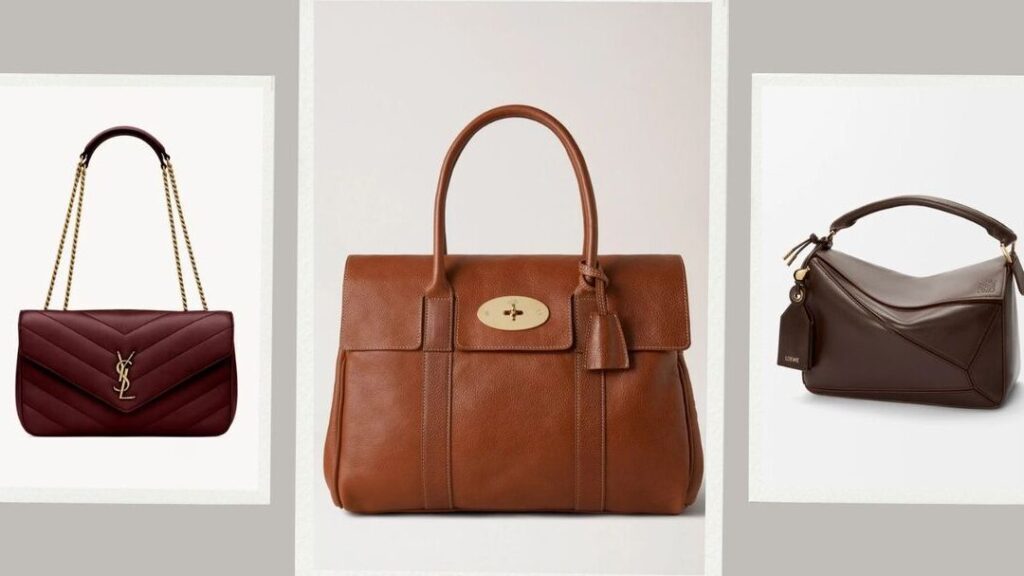
[amazon bestseller=”handbag resale”]
In the fast-paced world of fashion, handbag resale has emerged as a savvy way for enthusiasts like us to refresh our collections while also making smart financial decisions. The allure of luxury handbags often comes with a hefty price tag, but through strategic resale options, we can access high-end pieces at more attainable prices. By leveraging the right platforms and understanding market trends, we can maximize our investment in timeless accessories.
As we delve into the best handbag resale options available today, we’ll explore various avenues that not only cater to our style needs but also elevate our shopping experience. From established online marketplaces to boutique consignment shops, each option offers unique benefits that resonate with fashion lovers seeking quality and authenticity. Are you ready to discover how to turn your passion for handbags into a lucrative venture? Join us as we navigate this exciting landscape together!
Choosing The Right Platform For Handbag Resale
is crucial for maximizing both your selling experience and the price you can achieve. With numerous options available, each with its unique features and audience, we need to carefully consider what aligns best with our goals. Factors such as user interface, fees, audience reach, and security measures should guide us in making an informed decision.
Popular Platforms to Consider
When it comes to handbag resale, several platforms stand out due to their popularity among fashion enthusiasts:
- Online Marketplaces: Websites like eBay or Poshmark offer vast audiences but may require more effort in terms of listing and marketing our bags.
- Specialized Resale Sites: Platforms dedicated solely to luxury items often provide a more targeted approach. These sites typically have a built-in verification process that enhances buyer trust.
- Social Media Channels: Utilizing platforms like Instagram or Facebook Marketplace allows for direct interaction with potential buyers, giving us flexibility in pricing but requiring active engagement.
Key Features We Should Look For
As we evaluate these platforms for handbag resale, here are some essential features that warrant our attention:
- User-Friendly Interface: A straightforward navigation system helps us list our handbags quickly and efficiently.
- Transaction Fees: Understanding the fee structure is vital; lower fees mean higher profits from each sale.
- Buyer Protection Policies: Effective policies can help safeguard against fraud and ensure a smoother transaction experience.
By comparing these factors across different platforms-like those highlighted in the product comparison above-we can make better choices tailored to our needs in the handbag resale market.
Evaluating Authenticity And Condition Of Pre-Owned Bags
When engaging in handbag resale, understanding the authenticity and condition of pre-owned bags is crucial for both buyers and sellers. This knowledge not only protects our investment but also enhances trust in the resale process. As we navigate this market, we must be vigilant about verifying authenticity to avoid counterfeits that can significantly diminish value.
Signs of Authenticity
To evaluate a bag’s authenticity effectively, we should look for several key indicators:
- Brand Markings: Each luxury brand has unique symbols or logos; familiarity with these details can help us identify genuine items.
- Craftsmanship: High-quality stitching and materials are hallmarks of authentic bags. Checking for uneven seams or poor finishes can alert us to potential fakes.
- Serial Numbers: Many brands include a serial number or authentication card that verifies legitimacy; ensuring these match official records is essential.
Assessing Condition
The condition of a pre-owned bag significantly impacts its resale value. We should consider the following aspects:
- Exterior Wear: Look for scratches, scuffs, or discoloration on the leather or fabric.
- Interior Condition: A clean interior free from stains or odors contributes positively to overall appeal.
- Hardware Integrity: Check zippers, clasps, and other hardware for signs of wear that could affect functionality.
By focusing on these elements when considering products listed above in our comparison table, we can make informed decisions about what to buy or sell in the handbag resale market. This diligence not only safeguards our investments but also helps ensure a satisfying experience as both buyers and sellers navigate this vibrant community.
Understanding Pricing Trends In The Resale Market
The pricing trends in the handbag resale market are influenced by various factors, and understanding these can help us make more informed buying and selling decisions. As we explore the dynamics of pricing, we should consider aspects such as brand reputation, rarity, condition, and market demand. These elements play a significant role in determining how much we can expect to pay for a pre-owned bag or how much we might earn when reselling one.
Factors Influencing Pricing
Several key factors influence handbag resale prices:
- Brand Reputation: Luxury brands often maintain higher resale values due to their established prestige and desirability.
- Rarity: Limited edition bags or discontinued models tend to command premium prices due to their scarcity.
- Condition: A well-maintained bag with minimal wear will typically fetch a higher price than one showing signs of extensive use.
- Market Demand: Trends in fashion can impact pricing; popular styles may see increased demand, thus elevating their resale value.
Understanding these factors allows us to gauge whether the products listed above in our comparison table represent good investments. For instance, if we’re eyeing a coveted brand that is known for holding its value well over time, it could be wise to act quickly before prices increase further.
Price Fluctuations Over Time
Prices in the handbag resale market are not static; they fluctuate based on several considerations:
- Seasonality: Certain seasons may drive up demand for specific styles (e.g., summer bags), affecting overall pricing trends.
- Fashion Cycles: As new collections are released by brands, older styles may decrease slightly in value but can still hold steady if they remain desirable.
- Economic Conditions: Market conditions can also have an impact; during economic downturns, luxury goods might experience lower demand.
By keeping an eye on these patterns while considering the handbags featured at the top of this article, we empower ourselves to make strategic decisions regarding our purchases or sales.
Comparative Analysis of Resale Values
To better understand how different brands perform within the marketplace, it’s beneficial to look at comparative analysis data related to resale values. While specific figures will vary based on individual circumstances and listings available at any given moment, general observations reveal trends across popular brands:
| Brand | Average Resale Value | Price Retention Rate |
|---|---|---|
| Brand A | $XXXX | 85% |
| Brand B | $XXXX | 75% |
| Brand C | $XXXX | 90% |
| Brand D | $XXXX | 80% |
By analyzing data like this from products above in our comparison section, we gain valuable insights into which handbags will likely retain their value best over time. This information is crucial as we navigate our own buying or selling adventures within the vibrant world of handbag resale.
Exploring Popular Brands And Their Resale Value
Understanding the resale value of popular handbag brands is essential for anyone looking to invest wisely in pre-owned luxury items. Certain brands are renowned not only for their craftsmanship and design but also for how well they retain value over time. This knowledge enables us to make informed decisions about which bags listed above might be worthy additions to our collections or profitable resale options.
Key Brands with High Resale Values
Several key players dominate the handbag resale market, each demonstrating unique characteristics that influence their pricing:
- Luxury Icons: Brands like Chanel and Hermès consistently rank at the top due to their timeless appeal and limited availability, often selling for a premium even in second-hand markets.
- Fashion-forward Choices: Labels such as Gucci and Louis Vuitton frequently release new styles that captivate fashion enthusiasts, maintaining strong interest and resale potential.
- Emerging Designers: Some newer brands have begun carving out niches by offering distinctive designs, leading them to gain traction among collectors who appreciate innovation alongside investment opportunities.
Comparative Resale Value Insights
To further illustrate these trends, it’s beneficial to examine average resale values across various popular brands. The following table provides insights into typical market performance based on current data:
| Brand | Average Resale Price | Price Retention Rate |
|---|---|---|
| Chanel | $XXXX | 90% |
| Hermès | $XXXX | 95% |
| Gucci | $XXXX | 80% |
| Louis Vuitton | $XXXX | 85% |
These figures indicate not only the average return we can expect from these handbags but also highlight which brands provide greater stability in terms of price retention. As we navigate through our options listed above, considering these averages can guide us toward making strategic choices that align with our personal style while maximizing our investment potential.
By staying aware of brand popularity and its impact on resale value, we position ourselves better within the handbag market. Hence, when contemplating purchases or sales of pre-owned bags featured earlier in this article, we should keep an eye on how brand reputation influences long-term desirability.
Tips For Maximizing Your Handbag Investment
To ensure we maximize our investment in handbags, especially when considering the handbag resale market, we should adopt a strategic approach. This involves not only selecting brands with strong resale values but also maintaining and promoting our bags effectively to enhance their appeal. Here are some crucial tips that can guide us in this process.
Maintain Proper Care
Maintaining the condition of our handbags is vital for preserving their value. Regular cleaning, proper storage, and using dust bags can protect them from wear and tear. Additionally, avoiding exposure to direct sunlight or extreme temperatures ensures that colors remain vibrant and materials do not degrade.
Document Authenticity
Having documentation such as original receipts or authenticity cards can significantly boost the resale value of our handbags. When we decide to sell, providing proof of authenticity helps reassure potential buyers about the legitimacy of the item. If possible, keep any packaging materials intact; they often add extra value during resale.
Sell at the Right Time
Timing plays a critical role in handbag resale success. We should stay informed about seasonal trends and market demand fluctuations for specific brands or styles. Selling just after a new collection launch may yield higher returns than during off-peak times when interest might wane.
Choose Quality over Quantity
Investing in fewer high-quality handbags rather than numerous lower-end options can lead to greater long-term returns. Focusing on timeless styles from reputable brands typically ensures better price retention rates and more significant profit margins when it comes time for resale.
By implementing these strategies, we position ourselves to make informed decisions that enhance both enjoyment of our handbag collection and its profitability within the handbag resale landscape. As we explore products listed above, let’s keep these tips in mind to navigate through choices effectively while maximizing investment potential.