[amazon bestseller=”handbag sewing patterns”]
Looking to elevate your crafting skills? We understand that handbag sewing patterns can be the perfect gateway into creating stylish and functional accessories. With a plethora of options available, choosing the right pattern for our next project can feel overwhelming. Whether we’re beginners or seasoned sewists, having access to the best handbag designs is essential for success.
In this article, we’ll explore a variety of handbag sewing patterns tailored to suit our unique tastes and skill levels. From chic everyday totes to sophisticated evening clutches, we’ve curated an exciting selection that will inspire creativity and boost confidence in our sewing endeavors. Are you ready to transform fabric into fabulous handbags? Let’s dive into our top picks and discover which patterns will ignite your passion for sewing!
Best Handbag Sewing Patterns for Beginners
When diving into the world of handbag sewing patterns, beginners often seek designs that balance simplicity with style. The right pattern can make your first project enjoyable and rewarding, helping you build confidence in your sewing skills. We have carefully tested various patterns that cater specifically to those new to handbag making, ensuring they are user-friendly while still offering a chic finish.
Easy-to-Follow Patterns
- Tote Bags: These are perfect for beginners due to their straightforward construction. A basic tote bag requires minimal pieces and no complicated closures, allowing you to focus on mastering straight seams.
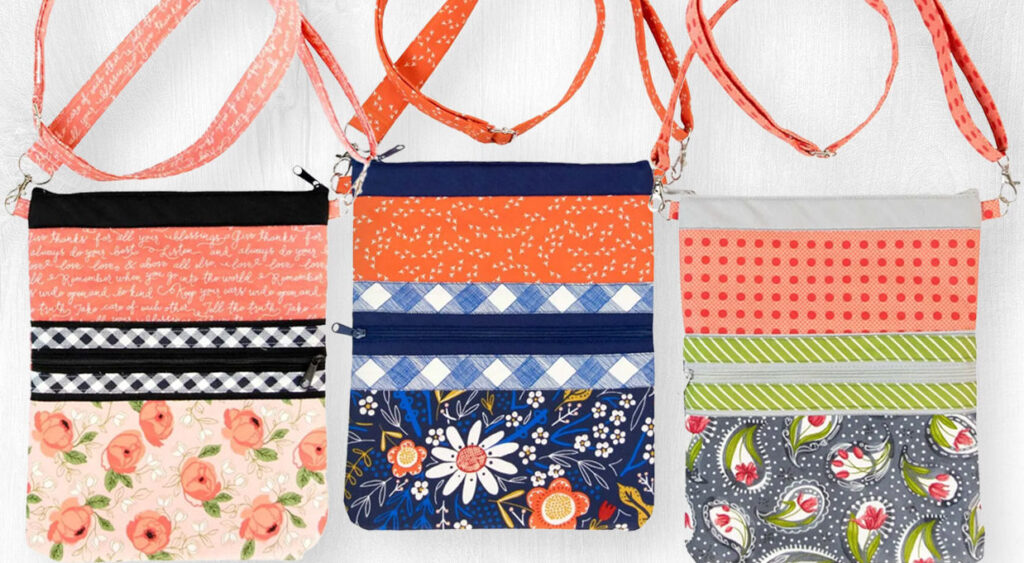
- Crossbody Bags: Featuring simple shapes and adjustable straps, crossbody bags introduce some variety without overwhelming complexity.
- Clutch Bags: Ideal for practicing techniques like interfacing and lining, clutches often come in easy styles that require just a few materials.
Tips for Selecting Beginner-Friendly Patterns
- Look for step-by-step instructions included with the pattern; this will guide you through each phase of the process.
- Choose patterns labeled as “easy” or “beginner” by the designer or brand; these are tailored for novice sewists.
- Ensure the pattern includes clear diagrams or photos; visual aids can significantly enhance your understanding.
With our curated list of patterns at the top of this article, we encourage you to explore options that resonate with your personal style. Each product has been rigorously tested by us, ensuring it meets beginner needs effectively while also being fun to create!
Essential Features to Consider in Bag Designs
When selecting from the array of handbag sewing patterns, it’s essential to consider several key features that can enhance both functionality and style. Understanding these aspects will not only guide you in choosing a pattern but also help ensure that your final product meets your needs and preferences. We’ve examined various designs, focusing on what makes each one stand out, so you can make an informed decision.
Size and Dimensions
Choosing the right size for your bag is crucial. Consider how you intend to use the handbag:
- Everyday Use: A larger tote or crossbody may be ideal.
- Special Occasions: Smaller clutches or evening bags might suit formal events better.
Make sure to check the dimensions provided in the patterns we’ve tested above; this will help you envision how much space you’ll have for essentials.
Closure Types
The closure type of your handbag impacts both security and ease of access:
- Zippers: Offer secure storage but may require more skill during assembly.
- Magnetic Snaps: Provide a quick way to open and close while ensuring items stay put.
- Flaps: These add style but should be considered based on personal preference regarding accessibility.
Reviewing closure options in our recommended patterns will allow you to select one that fits your lifestyle best.
Pocket Configuration
Pockets are vital for organization within any handbag design. Think about how many pockets you’ll need:
- Interior Pockets: Great for keeping smaller items like keys or phones easily accessible.
- Exterior Pockets: Useful for items you want quick access to without digging through the main compartment.
Our curated list includes patterns with various pocket configurations that cater to different user needs, allowing you to choose one that aligns perfectly with how you plan to use your handbag.
By focusing on these essential features-size, closures, and pockets-you’ll find a design that not only looks great but functions well too. With our carefully selected products listed at the top of this article, you’re equipped with all necessary information needed to choose wisely!
Choosing the Right Fabric for Your Handbag Project
is crucial, as it directly affects not only the aesthetics but also the functionality and durability of your final product. Different fabrics have varying qualities, such as weight, texture, and ease of manipulation, which can significantly influence how well your handbag turns out. By understanding these aspects, you can select a material that aligns with both your design vision and practical needs.
Fabric Types to Consider
When exploring handbag sewing patterns, it’s essential to familiarize ourselves with various fabric types:
- Cotton Canvas: Known for its durability and ease of use, cotton canvas is perfect for everyday bags or totes.
- Leather: Offers a luxurious finish but requires more skill to sew; ideal for structured designs.
- Denim: A versatile option that adds a casual vibe; great for slouchy styles or day-to-day use.
- Nylon or Polyester: Lightweight and water-resistant materials suitable for sporty or functional handbags.
Each fabric type has its own unique characteristics that can enhance different aspects of our designs. For instance, if we’re leaning towards a structured shape, leather may be preferable due to its stiffness compared to softer options like cotton.
Weight and Texture
The weight and texture of the fabric play critical roles in determining how well our finished bag will maintain its shape:
- Lightweight Fabrics: These are easier to manipulate but may lack structure; best suited for soft bags or linings.
- Medium-weight Fabrics: Offer a good balance between flexibility and stability; ideal for everyday handbags.
- Heavyweight Fabrics: Provide excellent support but might require special needles or techniques during sewing.
Understanding these factors helps us choose fabrics that not only look good but also stand the test of time. Checking weights specified in our reviewed patterns will guide us toward making an informed decision aligned with our intended style.
Color and Pattern Coordination
Lastly, color choice plays an integral part in our handbag project:
- Solid Colors: Offer versatility and timeless appeal; easy to pair with various outfits.
- Prints and Patterns: Can add personality while requiring careful consideration regarding matching with other wardrobe pieces.
We recommend assessing color swatches alongside patterns from above. This approach ensures cohesive styling throughout our entire look while allowing personal flair in our chosen designs.
By considering these elements-fabric types, weight versus texture, along with color coordination-we equip ourselves to make thoughtful choices when selecting materials from those tested products listed at the top. This knowledge empowers us not just to create beautiful handbags but ones that truly reflect our individual style preferences.
How to Personalize Your Handbag with Unique Details
Personalizing our handbag not only enhances its aesthetic appeal but also allows us to express our individuality. When exploring handbag sewing patterns, incorporating unique details can elevate our projects from ordinary to extraordinary. By adding these personal touches, we ensure that our creations stand out and reflect our style preferences.
Adding Embellishments
One effective way to personalize our handbags is through embellishments. Consider the following options:
- Beading: Incorporating beads into straps or pockets can add a touch of sparkle.
- Appliqué: Sewing fabric shapes onto the bag creates dimension and interest.
- Embroidery: Personalizing with initials or decorative motifs lends a bespoke quality.
Each of these techniques allows for creativity while enhancing the overall design of the handbag. It’s essential to select embellishments that harmonize with the chosen fabric and pattern from above, ensuring a cohesive final product.
Functional Yet Stylish Features
In addition to visual elements, we should consider functional features that enhance usability without compromising style:
- Pockets: Customizing pocket placements can provide easy access while showcasing unique fabrics.
- Strap Options: Experimenting with different strap styles-like crossbody or adjustable lengths-adds versatility.
- Closure Types: Choosing between zippers, magnetic snaps, or buttons not only influences security but also adds character.
By thoughtfully integrating these features based on tested products listed earlier, we create handbags that are not just beautiful but also practical for everyday use.
Color Blocking Techniques
Color blocking is another exciting method to personalize our handbag designs. This technique involves combining contrasting colors or patterns in distinct sections of the bag:
- Choose Complementary Colors: Select colors that work well together; this could be two bold shades or a mix of neutral tones with a pop of color.
- Mix Textures: Combining smooth and textured fabrics adds depth and visual interest.
- Create Sections: Use color blocking strategically within panels or flaps for an eye-catching effect.
As we explore different handbag sewing patterns above, applying color-blocking techniques will help us craft unique pieces tailored to individual tastes while ensuring they remain fashionable and modern.
Through these personalized details-embellishments, functional features, and innovative color techniques-we have the opportunity to transform simple handbag sewing patterns into stunning statements reflective of who we are. Let’s embrace this creativity as we embark on crafting bags that truly represent us!
Tips for Selecting the Perfect Sewing Pattern
Selecting the right sewing pattern is crucial for our handbag project, as it sets the foundation for our final creation. When navigating through various handbag sewing patterns, we must consider several factors to ensure that we choose a design that not only meets our aesthetic preferences but also aligns with our skill level and intended use. Below are some essential tips to guide us in making an informed decision.
Assess Your Skill Level
Before diving into any specific pattern, it’s vital to evaluate our sewing skills honestly. Patterns often come with difficulty ratings which can help us gauge whether they suit our experience:
- Beginner: Look for patterns labeled as easy or simple, often featuring fewer pieces and basic construction techniques.
- Intermediate: These patterns may introduce more complex elements such as linings or multiple pockets.
- Advanced: If we’re ready for a challenge, advanced patterns might require intricate sewing techniques and detailed assembly.
By matching the complexity of the handbag sewing pattern with our abilities, we enhance our chances of success while building confidence in our skills.
Consider Functionality
The purpose of the handbag should dictate some aspects of the pattern selection process. We need to think about how we plan to use it:
- Everyday Use: Opt for designs that offer spacious interiors and practical features such as pockets.
- Special Occasions: Choose stylish patterns that emphasize elegance over utility; embellishments can elevate these designs further.
- Traveling Needs: Select bags with secure closures and durable materials suitable for frequent handling.
Understanding how functionality plays into design will lead us toward selecting a pattern that serves its intended purpose effectively.
Evaluate Design Elements
When browsing through different options, taking note of specific design features can significantly impact our choice:
- Size and Shape: Measure what dimensions are practical based on personal needs-will it fit essentials without being bulky?
- Type of Closure: Determine if zippers, magnetic snaps, or other closures best suit both style preference and security requirements.
- Strap Lengths & Styles: Different strap configurations (crossbody vs shoulder) can alter both formality levels and comfort during wear.
These considerations assist us in narrowing down selections from the tested products listed above while ensuring satisfaction post-construction.
Review Fabric Recommendations
Each handbag sewing pattern typically comes with fabric suggestions tailored to its structure and style. It’s important not only to select attractive fabrics but also those appropriate for durability:
- For bags requiring sturdiness, consider canvas or denim.
- Lightweight cottons may work well for casual styles or lined bags needing less support.
Checking compatibility between chosen fabrics and selected patterns guarantees a cohesive look after assembling all parts together.
By following these tips when selecting from various handbag sewing patterns above-considering skill level, functionality needs, design elements, and fabric choices-we set ourselves up for crafting handbags that truly reflect both practicality and personal style while achieving satisfying results in each project undertaken!