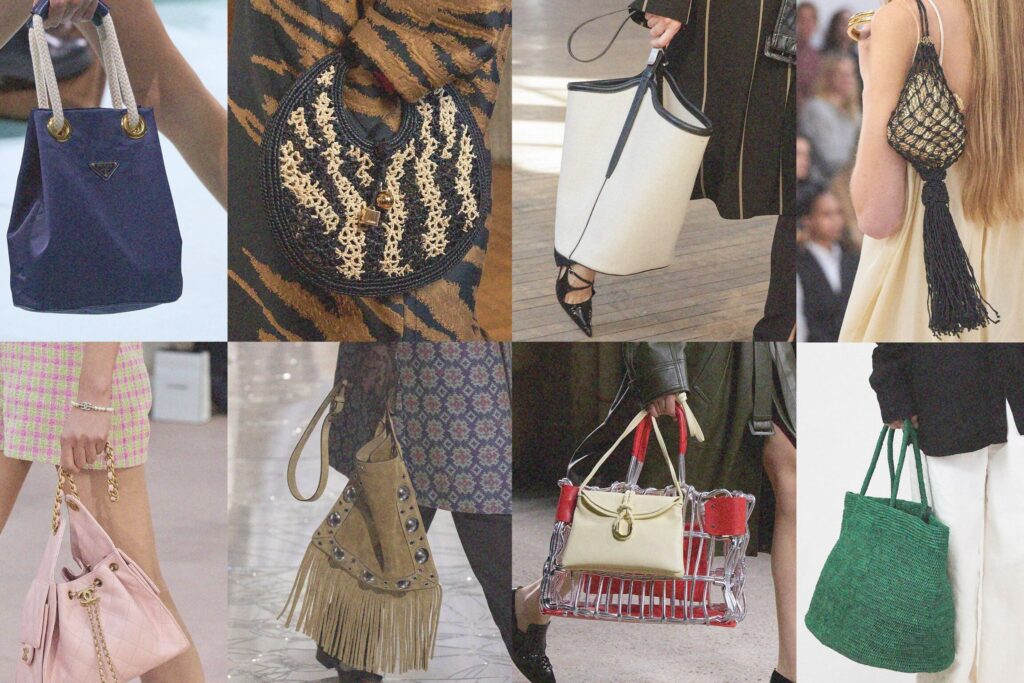
[amazon bestseller=”handbag.”]
In the world of fashion, handbags are more than just accessories; they are essential statements that reflect our personal style. As we navigate through various trends and styles, it becomes crucial to choose the perfect handbag that not only complements our outfits but also meets our daily needs. With so many options available, how do we decide which handbags truly stand out?
In this article, we will delve into a current comparison of top handbag styles to help you make informed choices. From classic designs to modern innovations each option we explore promises both functionality and flair. We understand the importance of finding that ideal balance between style and practicality.
Are you ready to discover which handbags deserve a spot in your collection? Join us as we unveil our curated selection of the best handbags that will elevate your wardrobe and keep you organized on the go!
Choosing the Right Handbag Style for Your Needs
When selecting the perfect handbag, understanding our personal needs is crucial. Each style offers distinct advantages tailored to various occasions and lifestyles. By identifying how we plan to use the bag, we can make a more informed decision that will serve us well in both function and fashion. Let’s explore some popular handbag styles to help narrow down our choices.
Tote Bags
Tote bags are ideal for those who value both functionality and style. Their spacious interiors make them perfect for carrying everyday essentials, from laptops to groceries. The versatility of tote bags allows us to transition effortlessly from work to leisure activities while keeping everything organized.
Crossbody Bags
For hands-free convenience, crossbody bags stand out as an excellent option. These handbags provide security and accessibility, making them suitable for traveling or running errands. We can easily adjust the strap length for comfort while enjoying the freedom of movement they offer.
Clutches
Clutches bring sophistication to any outfit without compromising on elegance. Perfect for formal events or nights out, they encourage minimalism by holding only our must-have items like phones and wallets. Choosing a clutch requires careful consideration of size and design, ensuring it complements our ensemble beautifully.
By considering these styles alongside our specific needs, we can enhance our wardrobe with handbags that not only look great but also support our daily routines effectively. Be sure to check out the comparison of products above; each has been tested thoroughly for quality and usability!
Key Materials and Their Impact on Durability
When it comes to choosing a handbag, the materials used in its construction play a significant role in determining its overall durability. Understanding these materials can help us make informed decisions when selecting a bag that not only meets our style preferences but also withstands daily wear and tear. High-quality handbags are often made from specific materials that offer both aesthetic appeal and practical strength.
Common Handbag Materials
Several key materials are frequently utilized in handbag manufacturing:
- Leather: Known for its luxurious feel and longevity, leather is a popular choice for high-end handbags. Full-grain leather, in particular, ages beautifully and develops a unique patina over time.
- Canvas: Lightweight and durable, canvas handbags provide versatility for casual use. They are often water-resistant and easy to clean, making them ideal for everyday activities.
- Nylon: This synthetic fabric is known for its strength and resistance to wear. Nylon handbags are often lightweight, making them perfect for travel or on-the-go lifestyles.
- Synthetic Leather (PU): An affordable alternative to genuine leather, synthetic leather offers similar aesthetics while being easier to maintain. However, it may not have the same long-term durability as real leather.
Durability Comparisons
To illustrate how these materials stack up against each other regarding durability, consider the following table:
| Material | Durability | Maintenance |
|---|---|---|
| Leather | High – develops character over time | Requires conditioning; sensitive to moisture |
| Canvas | Moderate – good resilience but can fray | Easy to clean; machine washable options available |
| Nylon | High – resistant to tearing and fading | Simpler care routine; usually wipe clean with cloth |
| Synthetic Leather (PU) | Moderate – less durable than genuine leather but stylish | Easier maintenance; prone to scratches over time |
By understanding how different materials impact the lifespan of our chosen handbag styles, we can prioritize quality when looking at the products listed above. Selecting a handbag crafted from durable materials ensures we invest wisely in an accessory that will accompany us through various seasons and trends without compromising functionality or style.
Important Features to Consider in a Handbag
Selecting the right handbag involves more than just choosing a stylish design; we must consider several important features that can greatly enhance our experience. By focusing on these elements, we ensure that our investment not only complements our wardrobe but also meets our practical needs and lifestyle demands. The handbags listed above have been carefully tested, allowing us to recommend those that excel in functionality and aesthetics.
Size and Capacity
One of the first considerations should be the size of the handbag. It’s essential to assess what we plan to carry daily, from essentials like wallets and phones to items like makeup or tablets. Handbags typically come in various sizes:
- Small: Ideal for minimalists who prefer carrying just essentials.
- Medium: A versatile option suitable for everyday use, striking a balance between capacity and manageability.
- Large: Perfect for those who require extra space for work or travel-related items.
Choosing a size that aligns with our daily activities will significantly impact how satisfied we are with our purchase.
Organization
Another crucial feature is organizational components within the handbag. Look for designs that offer multiple compartments or pockets, which help keep items sorted and easily accessible. Features may include:
- Zippered pockets: For securing valuables such as keys or credit cards.
- Interior dividers: To separate larger items and prevent clutter.
- External pockets: Convenient for frequently used items like smartphones or transit passes.
A well-organized handbag enhances usability and ensures we can quickly find what we need without rummaging through its contents.
Closure Mechanism
The closure mechanism of a handbag affects both security and ease of access. Options typically include:
- Zippers: Provide maximum security by fully enclosing contents.
- Magnetic snaps: Allow quick access while still keeping things mostly secure.
- Open tops: Offer easy access but may lack security against theft.
Depending on personal preferences regarding safety versus convenience, selecting an appropriate closure type is vital when assessing potential handbags.
Comfort Features
Comfort is key when it comes to wearing a handbag throughout the day. We should consider shoulder straps’ length, width, and adjustability-these aspects can significantly affect how comfortable it feels during extended wear. Additionally:
- Padded straps: Help reduce pressure on shoulders when carrying heavier loads.
- Crossbody options: Distribute weight evenly across the body for added comfort during long outings.
Evaluating these features helps us choose a bag that remains comfortable even after hours of use.
By prioritizing these important features-size, organization, closure mechanisms, and comfort-we enhance our shopping experience as we browse through the curated selection of handbags above. Understanding what makes each bag functional allows us to make informed choices tailored specifically to our needs while ensuring style does not take a backseat to practicality.
Color and Design Trends to Enhance Your Wardrobe
Color and design play a pivotal role in how we express our personal style through handbags. As we explore the latest trends, it’s essential to recognize how these elements can influence our overall wardrobe and complement our outfits. The right choice of color and design not only enhances the visual appeal of a handbag but also makes a significant statement about our fashion sensibilities. In the curated selection above, we’ve highlighted handbags that align with current trends while ensuring they remain functional for everyday use.
Trending Colors
This season, we see a resurgence of bold colors alongside soft pastels that add vibrancy to any outfit. Here are some key shades to consider:
- Earthy tones: Shades like terracotta or olive green provide a grounded yet sophisticated look.
- Pastel hues: Soft pinks, baby blues, or mint greens offer a refreshing touch ideal for spring and summer.
- Bold colors: Bright yellows or electric blues can serve as eye-catching focal points in your ensemble.
Incorporating these trending colors into your handbag choices helps us stay fashionable while adding personality to our daily looks.
Design Aesthetics
The design of a handbag should reflect both current styles and personal taste. Several aesthetics are gaining traction this season:
- Minimalist designs: Clean lines and simple shapes emphasize functionality without sacrificing elegance.
- Textured materials: Handbags featuring unique textures like croc embossing or woven fabrics add depth to outfits.
- Statement hardware: Bold buckles or oversized zippers create visual interest and enhance the overall aesthetic.
When selecting from the products listed above, considering these design trends will ensure you choose pieces that are not just stylish but also versatile enough to pair well with various outfits.
Seasonal Patterns
Patterns have become increasingly popular as they allow individuals to showcase their creativity through their accessories. Some prevalent patterns include:
- Floral prints: Perfect for adding femininity and charm during warmer months.
- Geometric designs: These modern patterns can provide an edgy contrast against softer clothing styles.
By embracing seasonal patterns in our handbags, we elevate our wardrobe options further while keeping things fresh and exciting.
Understanding color palettes, design aesthetics, and seasonal patterns enables us to make informed decisions when choosing handbags from the comparison above. Each option has been tested for quality and style relevance so that we can confidently select items that resonate with both current trends and individual preferences.
Budgeting Wisely for Quality Handbags
When it comes to investing in a quality handbag, setting a realistic budget is essential. A well-planned budget allows us to focus on the features and styles that truly resonate with our fashion preferences while ensuring we make a worthwhile purchase. Quality handbags often come with higher price tags due to their craftsmanship and materials; however, identifying what we need versus what we want can lead to smarter choices without compromising on style or durability.
Understanding Price Ranges
To navigate handbag pricing effectively, it’s helpful to understand the different categories available:
- Affordable Handbags: Typically priced under $100, these options may be trendy but may not offer long-lasting durability.
- Mid-range Handbags: Ranging from $100 to $500, these bags tend to strike a balance between quality and affordability. They often use better materials and construction methods.
- Luxury Handbags: Priced above $500, luxury handbags are crafted from high-quality materials and feature meticulous attention to detail. These pieces can also serve as investment items.
By familiarizing ourselves with these price ranges, we can more easily determine where our priorities lie.
Factors Influencing Cost
Several key factors influence the price of handbags beyond just brand name:
- Material Quality: Leather, canvas, and synthetic fabrics vary significantly in cost. Genuine leather tends to be more expensive but offers greater longevity.
- Brand Heritage: Established brands with strong reputations usually charge premium prices due to their legacy of quality.
- Craftsmanship Details: Handmade or intricately designed bags often carry higher costs due to the labor-intensive processes involved.
Evaluating these elements helps us understand what contributes value in our chosen products from the comparison listed above.
Tips for Smart Budgeting
To ensure we’re making informed decisions when shopping for handbags within our budget:
- Set Priorities: Determine which features matter most-size, color, style-and allocate funds accordingly.
- Research Brands: Look into various brands’ offerings within your price range; many lesser-known names provide excellent alternatives at competitive prices.
- Watch for Sales: Seasonal sales or holiday discounts present great opportunities for snagging high-quality handbags at reduced prices.
By implementing these budgeting strategies while exploring the curated selection of handbags above, we can confidently invest in pieces that enhance both our style and practicality without breaking the bank.