[amazon bestseller=”handbag manufacturing”]
In the ever-evolving world of handbag manufacturing, we find ourselves at the intersection of artistry and innovation. Today’s handbags are not just accessories; they represent a fusion of craftsmanship and cutting-edge technology. As consumers, we understand that choosing the right handbag goes beyond mere aesthetics-it involves understanding the materials and techniques behind each piece.
Our exploration into modern handbag manufacturing reveals key insights that can enhance your purchasing decisions. From sustainable sourcing to advanced production methods, every detail matters in creating a product that meets our standards for quality and style. We aim to provide you with valuable knowledge on what makes some handbags stand out from the rest.
What factors should we consider when evaluating handbag options? Are there specific brands leading the charge in sustainability and design? Join us as we dive deeper into these essential questions and unveil top recommendations tailored for today’s discerning shopper.
Best Materials for Durable Handbags
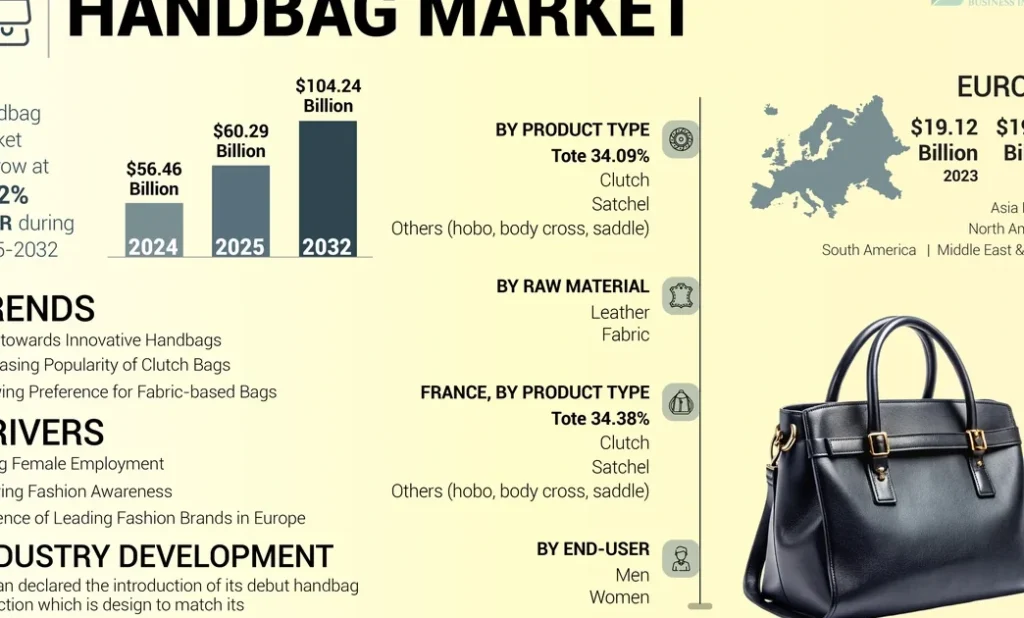
When it comes to handbag manufacturing, the choice of materials can significantly impact the durability and longevity of a product. We have tested various handbags, and our insights reveal that certain materials consistently outperform others in terms of resilience, aesthetic appeal, and overall quality. Understanding these materials will empower you to make informed decisions when selecting your next handbag from our curated comparison above.
Leather
Leather remains a top choice for durable handbags due to its natural strength and ability to age beautifully over time. Full-grain leather is particularly renowned for its durability, as it retains the original texture and grain of the hide, making each piece unique. Moreover, high-quality leather develops a rich patina with use, adding character while ensuring that your investment lasts for years.
Fabric Options
While leather is often celebrated, various fabrics also offer remarkable durability:
- Nylon: Known for being lightweight yet robust, nylon handbags are resistant to tearing and water damage.
- Canvas: A classic option that balances sturdiness with style; canvas bags can withstand heavy usage without showing wear.
- Denim: Not just for clothing anymore, denim provides both fashion-forward looks and substantial durability.
These fabric options not only enhance functionality but also allow us to cater to diverse fashion preferences while maintaining robustness.
Synthetic Materials
Advancements in technology have led to the development of high-quality synthetic alternatives that rival traditional materials:
- Polyurethane (PU): This vegan-friendly option mimics leather’s appearance while being easier to clean and maintain.
- Microfiber: Soft yet strong, microfiber resists stains effectively while offering a luxurious feel at a lower price point.
By exploring these innovative materials in handbag manufacturing, we open doors to sustainable choices without sacrificing quality or style.
In summary, whether opting for classic leather or modern synthetics like PU or microfiber, each material offers distinct advantages worth considering when choosing your next handbag from our selection above.
Key Factors in Quality Handbag Manufacturing
When evaluating the intricacies of handbag manufacturing, several key factors contribute to the overall quality and appeal of a handbag. Understanding these elements not only enhances your awareness as a consumer but also assists in making informed choices when selecting from our curated comparison above. We have meticulously tested various handbags, and our findings highlight crucial aspects that distinguish superior products.
Craftsmanship
One of the most significant indicators of quality in handbag manufacturing is craftsmanship. This encompasses the attention to detail during production, including stitching, finishing, and overall assembly. Handbags made with precise stitching techniques exhibit enhanced durability, which contributes to their long-term usability. Moreover, bags that are hand-stitched often reflect a higher level of care compared to machine-made counterparts.
Design Integrity
Another vital factor in ensuring lasting quality is design integrity. A well-designed handbag balances functionality with aesthetics while considering user comfort and ease of use. Features such as secure closures, appropriate pocket placements, and ergonomic straps can significantly elevate both practicality and style. When browsing our selection above, pay attention to these design details-quality brands prioritize these aspects for enhancing user experience.
Brand Reputation
The reputation of the brand behind a handbag plays an essential role in determining its quality. Established brands often adhere to strict standards regarding materials and manufacturing processes due to their investment in maintaining consumer trust. While newer labels may offer competitive pricing or trendy designs, it’s crucial to research customer reviews or expert opinions on their longevity before purchasing.
Quality Control Measures
Effective quality control measures during production ensure that each handbag meets specific standards before reaching consumers. Brands that implement rigorous testing protocols typically report fewer defects and greater customer satisfaction rates. Look for information about quality assurance practices on product descriptions or brand websites when reviewing options from our comparison list.
By focusing on these key factors-craftsmanship, design integrity, brand reputation, and quality control-you can make more informed decisions when choosing handbags from our carefully selected range above. Each aspect plays a critical role in determining not just how a bag looks but how it performs over time.
How to Identify Craftsmanship in Handbag Design
Identifying craftsmanship in handbag design is essential for discerning quality in the realm of handbag manufacturing. When we delve into the intricate details of a handbag, several indicators can help us assess the level of craftsmanship involved. By paying attention to these elements, we can make more informed choices while exploring our curated product comparison above.
Stitching Quality
One of the most visible signs of craftsmanship is the quality of stitching. Handbags that feature uniform and precise stitches not only look better but also demonstrate durability over time. Look for:
- Tightness: Stitches should be tightly sewn without loose threads.
- Consistency: A consistent stitch length throughout the bag indicates careful construction.
- Reinforced Areas: Stress points, such as where straps attach, should have reinforced stitching to ensure longevity.
Material Finishing
The way materials are finished reflects the attention to detail in handbag design. High-quality handbags often exhibit:
- Edges: Cleanly cut edges that are either sealed or lined prevent fraying and enhance durability.
- Lining: The interior lining should be made from quality fabric that complements the exterior, showcasing an additional layer of thoughtfulness in design.
Assessing these features will provide insight into how much care went into crafting each piece.
Functional Features
Beyond aesthetics, functionality plays a crucial role in identifying craftsmanship. Quality handbags incorporate thoughtful features such as:
- Zippers and Closures: Smooth-operating zippers and secure closures reflect reliable hardware selection.
- Pocket Design: Well-planned pockets serve practical purposes without disrupting the overall silhouette.
Each functional element contributes to user experience, making it vital to evaluate them when selecting from our options above.
By focusing on these aspects-stitching quality, material finishing, and functional features-we can confidently identify superior craftsmanship in handbag designs. This knowledge empowers us as consumers to choose products that align with our standards for both style and durability while exploring our selected range above.
Sustainability Trends in the Handbag Industry
The handbag industry is undergoing a significant transformation as sustainability becomes a central focus for both manufacturers and consumers. With increasing awareness about environmental impact, brands are actively seeking to incorporate eco-friendly practices into their handbag manufacturing processes. By emphasizing sustainable materials and ethical production methods, we can make informed decisions when exploring our curated product comparison above.
Eco-Friendly Materials
One of the most notable trends in sustainability is the shift towards using eco-friendly materials. Handbag manufacturers are now opting for:
- Recycled Fabrics: Many brands utilize fabrics made from recycled plastic bottles or other waste materials, reducing the need for virgin resources.
- Organic Leather Alternatives: Vegan leather options derived from plants like pineapple leaves or apple peels offer environmentally friendly alternatives to traditional leather.
- Biodegradable Components: Incorporating biodegradable elements ensures that products have a lesser impact on landfills at the end of their life cycle.
By choosing handbags made with these materials, we not only support innovative design but also contribute to reducing our carbon footprint.
Ethical Production Practices
Sustainability extends beyond materials; it encompasses how products are manufactured. Brands committed to ethical production often engage in:
- Fair Labor Practices: Ensuring workers receive fair wages and work under safe conditions is crucial in responsible handbag manufacturing.
- Local Sourcing: By sourcing materials locally, companies reduce transportation emissions and support local economies.
- Transparency in Supply Chains: Brands that openly share their supply chain practices allow consumers to understand how their handbags are produced.
These practices reflect a commitment to social responsibility while enhancing consumer trust.
Circular Economy Initiatives
Another trend gaining traction is the embrace of circular economy principles within the handbag sector. This approach focuses on keeping products in use for as long as possible through strategies such as:
- Repair Programs: Some brands offer repair services, encouraging consumers to extend the life of their handbags rather than discarding them.
- Take-back Schemes: Initiatives that allow customers to return used bags promote recycling and responsible disposal.
Understanding these initiatives helps us appreciate how certain brands prioritize longevity over fast fashion, aligning with our values when selecting from our featured products above.
As we navigate through various options available in our comparison, it’s essential to consider these sustainability trends. Not only do they enhance product quality and ethics within handbag manufacturing, but they also empower us as conscious consumers making impactful choices.
Choosing the Right Style for Your Needs
Choosing the right handbag style is crucial, as it reflects not only personal taste but also functionality. When we explore our curated product comparison above, it’s essential to consider how each style aligns with our lifestyle and needs. The diverse range of handbags available today can cater to various occasions, from casual outings to formal events, and understanding these styles will help us make informed choices.
Types of Handbag Styles
Different handbag styles serve distinct purposes and aesthetics. Here are some popular types to consider:
- Tote Bags: Known for their spacious interiors, tote bags are ideal for daily errands or work-related activities. They provide ample room for essentials while maintaining a chic look.
- Crossbody Bags: These versatile bags offer hands-free convenience, making them perfect for travel or busy days when we need easy access to our belongings.
- Clutches: Often chosen for formal occasions, clutches add elegance to any outfit while providing just enough space for essentials like phones and makeup.
Factors Influencing Style Choice
When selecting the right handbag style, several factors come into play:
- Occasion: Consider where you’ll be using the bag most frequently. A stylish clutch might be suitable for an evening gala, while a durable tote could be better suited for everyday use.
- Comfort: The way a handbag feels when worn is paramount. Crossbody styles often distribute weight evenly across the body, enhancing comfort during extended wear.
- Capacity Needs: Assess what you typically carry with you daily. If we tend to pack more items than usual, opting for a larger tote may be wise.
- Personal Style: Our individual aesthetic preferences should guide our choice as well; whether leaning towards classic designs or trendy pieces can help narrow down options that resonate with us personally.
Matching Your Handbag with Outfits
A well-chosen handbag can elevate an outfit significantly. To ensure cohesion in our looks:
- Opt for neutral colors if we wish to maximize versatility across different outfits.
- Incorporate bold patterns or colors if we’re aiming to make a statement or add personality to simpler attire.
By being mindful of these aspects when exploring the products listed above in our comparison guide, we increase our chances of finding a handbag that meets both functional requirements and complements our unique sense of style effectively.