[amazon bestseller=”japanese handbag designer”]
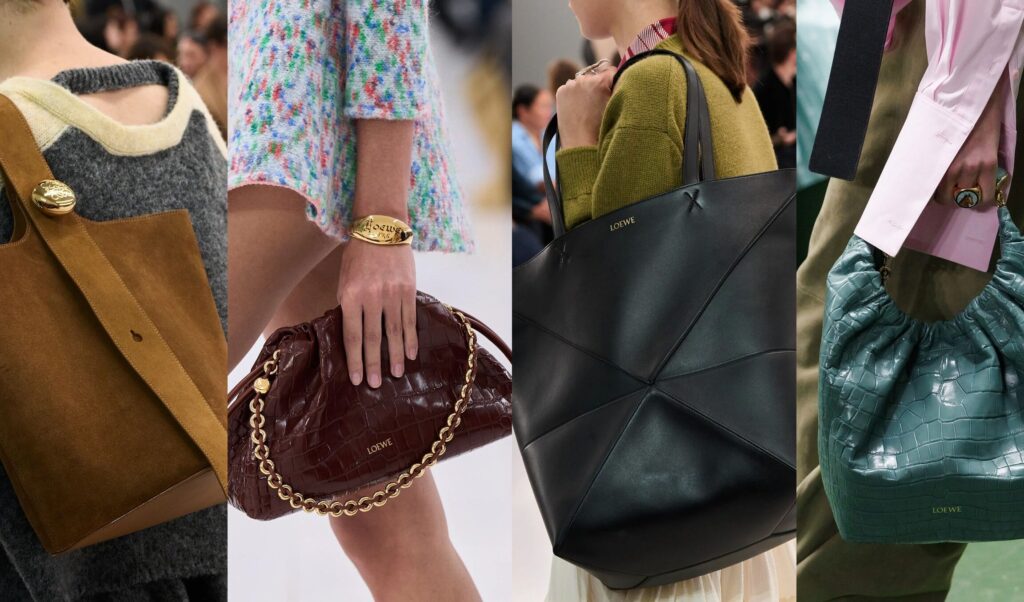
In the world of fashion, Japanese handbag designers are making a remarkable impact with their innovative creations and unique aesthetics. Their commitment to craftsmanship merges traditional techniques with contemporary designs, setting them apart in the global market. As we explore the current top comparisons among these talented artisans, we uncover handbags that not only elevate our style but also embody cultural significance.
We delve into various brands that showcase elegance and functionality while ensuring sustainability. From iconic silhouettes to avant-garde styles each designer brings a fresh perspective that captivates fashion enthusiasts. Are you ready to discover which Japanese handbag designer will become your next favorite? Join us as we highlight key features and standout pieces from the best in this vibrant industry.
Choosing the Right Japanese Handbag Designer for Your Style
Elegance and functionality are crucial when selecting a japanese handbag designer that resonates with your personal style. The world of Japanese handbag design is rich, offering a plethora of options that cater to various tastes, from minimalist aesthetics to bold, intricate patterns. When navigating this diverse landscape, it’s essential to consider how each designer aligns with your fashion preferences and lifestyle needs.
Understanding Your Style
To make an informed choice, we should first reflect on what styles truly speak to us. Here are some aspects to evaluate:
- Aesthetic Preferences: Are you drawn more towards traditional craftsmanship or contemporary designs?
- Functionality Needs: Do you require a bag for everyday use, special occasions, or travel?
- Color Palette: Consider the colors that complement your wardrobe; do you prefer neutral tones or vibrant hues?
As we explore the top designers listed above in our comparison section, you’ll find unique attributes that set them apart. Each one embodies distinct characteristics worth noting as they can significantly influence our final decision.
Quality vs. Trend
In addition to personal style, it’s vital to weigh quality over mere trends. A reputable japanese handbag designer prioritizes not only aesthetic appeal but also durability and practicality. Here’s what we should keep in mind:
- Materials Used: High-quality leather or textiles contribute significantly to the longevity of the handbags.
- Craftsmanship Details: Attention to stitching and finishing indicates superior quality.
- Brand Reputation: Designers with positive reviews often showcase reliability in their products.
By reviewing these elements alongside the products displayed above, we can ensure our investment is worthwhile while aligning perfectly with our individual taste.
Matching Designers with Occasions
Lastly, think about where you’ll be using your new handbag most frequently. Different designers may excel in specific uses:
- For casual outings: Look for brands known for their stylish yet practical designs.
- For professional settings: Opt for more polished looks from established names associated with elegance.
- For evening events: Seek out unique silhouettes or eye-catching details typical of innovative designers.
As we browse through our curated selection at the top of this article, let’s focus on how these considerations resonate across different options available from leading Japanese handbag designers.
Key Features to Look for in Quality Handbags
When selecting a handbag, especially from a reputable japanese handbag designer, it’s essential to identify key features that signify quality and craftsmanship. These characteristics not only enhance the aesthetic appeal but also ensure durability and functionality, making your investment worthwhile. As we explore the options presented above, let’s focus on aspects that will help us discern which handbags truly stand out.
Materials and Construction
One of the foremost indicators of a quality handbag lies in its materials and construction. Here are some factors to consider:
- Leather Quality: Look for full-grain or top-grain leather, as these types are more durable and develop a beautiful patina over time.
- Textiles: High-quality fabrics such as canvas or silk often indicate superior craftsmanship. Make sure they withstand wear without compromising style.
- Stitching: Examine the stitching; even, tight stitches suggest careful workmanship while loose threads can be a red flag.
Design Elements
The design intricacies can reveal much about a bag’s quality:
- Hardware: Check the zippers, clasps, and buckles-premium hardware should feel sturdy and function smoothly.
- Lining: A well-made handbag typically has an interior lining made of high-quality fabric that adds both comfort and luxury.
- Functional Features: Consider practical elements like pockets for organization or adjustable straps for versatility in wear.
Brand Reputation
Familiarity with brands is crucial when choosing between different designers:
- Reviews & Testimonials: Research customer reviews to gauge satisfaction levels with particular products from various japanese handbag designers.
- Heritage & Craftsmanship Story: Brands with a rich history often emphasize traditional techniques combined with modern aesthetics-this blend usually signifies commitment to quality.
By focusing on these key features while comparing products above, we can make informed decisions that align perfectly with our preferences for style, durability, and practicality in handbags designed by leading Japanese artisans.
Comparing Materials: What Makes a Bag Stand Out
When we delve into the world of handbags, particularly those crafted by renowned japanese handbag designers, the choice of materials can significantly influence both aesthetics and functionality. The right materials not only enhance the visual appeal but also play a crucial role in the bag’s longevity. As we assess the options presented above, understanding what makes certain materials stand out will guide us in making informed choices.
Quality Materials
The foundation of any exceptional handbag lies in its material composition. Here are some key aspects to consider:
- Natural vs. Synthetic: Natural materials like leather or cotton tend to offer superior durability and breathability compared to synthetic alternatives.
- Water Resistance: Certain textiles are treated for water resistance, which is essential for protecting your belongings from unexpected weather conditions.
- Eco-Friendly Options: Many leading japanese handbag designers now prioritize sustainable practices, offering bags made from recycled or ethically sourced materials that appeal to environmentally conscious consumers.
Craftsmanship Details
Beyond just material selection, craftsmanship details further elevate a bag’s status:
- Edge Finishing: Well-finished edges indicate meticulous care during production; this detail often signifies a higher quality product.
- Reinforcements: Areas prone to wear, such as handle attachments or zipper areas, should be reinforced for enhanced durability.
- Customization Possibilities: Some brands offer customization options that allow you to choose specific fabrics or colors-this personal touch can make your purchase even more special.
Visual Appeal and Functionality
Lastly, we cannot ignore how material choice impacts both style and practicality:
- Texture Variety: Different textures can add depth to a design; smooth leathers convey elegance while textured fabrics may evoke a sense of casual chicness.
- Color Retention: High-quality dyes ensure that colors remain vibrant over time without fading-a crucial aspect when considering longevity in fashion pieces.
By focusing on these critical elements while exploring our curated selection above, we empower ourselves to make wise decisions aligned with our preferences for style and utility in handbags designed by top-notch japanese artisans.
Price Points: Understanding Value in Japanese Handbag Design
Understanding the price points of handbags designed by esteemed japanese handbag designers is essential for discerning consumers. The value of a handbag is influenced not only by its materials and craftsmanship, but also by branding and market positioning. By familiarizing ourselves with these factors, we can better appreciate what each price range offers while making informed purchasing decisions from the curated selection above.
Factors Influencing Price
Several elements contribute to the pricing of handbags:
- Brand Reputation: Renowned brands often command higher prices due to their established reputation for quality and design innovation.
- Craftsmanship: Handbags that involve intricate handwork or limited production runs typically carry a premium. This exclusivity adds to their allure and value.
- Material Quality: As previously discussed, high-quality materials like genuine leather or unique textiles significantly impact cost. Investing in better materials usually translates into longer-lasting products.
Price Ranges Explained
To provide clarity on what you might expect at various price points, we can categorize them as follows:
| Price Range | Typical Characteristics |
|---|---|
| Entry-Level ($100 – $300) | These bags often feature synthetic materials or basic designs. They are ideal for trend-driven shoppers seeking affordability. |
| Mid-Range ($300 – $800) | Bags in this range generally showcase improved craftsmanship, with natural materials and stylish designs that cater to fashion-conscious buyers. |
| High-End ($800+) | This category includes luxury handbags characterized by impeccable artistry, exclusive collections, and top-tier materials tailored for those valuing prestige. |
Each price point has its own merits depending on your personal style and budget considerations. When evaluating options from our selection above, it’s crucial to weigh these aspects carefully.
Making Informed Decisions
Understanding these pricing dynamics empowers us as consumers. By recognizing how brand reputation, craftsmanship quality, and material choice influence costs, we can confidently navigate through our curated list of products. Whether we’re drawn to an entry-level option or a high-end masterpiece created by leading japanese handbag designers, being informed allows us to select pieces that align perfectly with our lifestyle preferences without compromising on quality or style.
Popular Trends Among Leading Designers
The world of Japanese handbag designers is constantly evolving, with fresh trends emerging that reflect both cultural influences and modern aesthetics. As we explore these popular trends, it’s essential to understand how they can influence our choices when selecting from the curated selection above. Leading designers are pushing boundaries by incorporating innovative designs and sustainable practices, making their handbags not just functional accessories but also statements of individuality.
Emphasis on Sustainability
One significant trend among top Japanese handbag designers is a strong focus on sustainability. Many brands are now prioritizing eco-friendly materials and ethical production methods. This shift not only caters to environmentally conscious consumers but also highlights the artistry involved in creating handbags that respect nature. When reviewing products above, look for bags made from recycled or organic materials as indicators of this commitment to sustainability.
Minimalist Aesthetics
Minimalism continues to reign supreme in the realm of Japanese handbag design. Clean lines, neutral colors, and functional shapes characterize many current collections. This aesthetic appeals to those who appreciate simplicity without compromising style. By choosing minimalist designs from our selection, you can achieve a timeless look that complements various outfits while ensuring versatility.
Fusion of Traditional Craftsmanship with Modern Techniques
Another captivating trend is the fusion of traditional craftsmanship with contemporary techniques. Leading designers are blending age-old methods with modern technology to create unique pieces that honor heritage while appealing to today’s tastes. Look for handbags featuring traditional Japanese weaving techniques combined with modern silhouettes; these pieces often tell a story through their intricate details and construction quality.
As we navigate through these popular trends among leading Japanese handbag designers, keep an eye out for how each bag embodies these elements-whether it be sustainability, minimalism, or a blend of past and present craftsmanship-ensuring you make informed choices when selecting your next favorite accessory from the options provided above.