[amazon bestseller=”luxury handbag”]
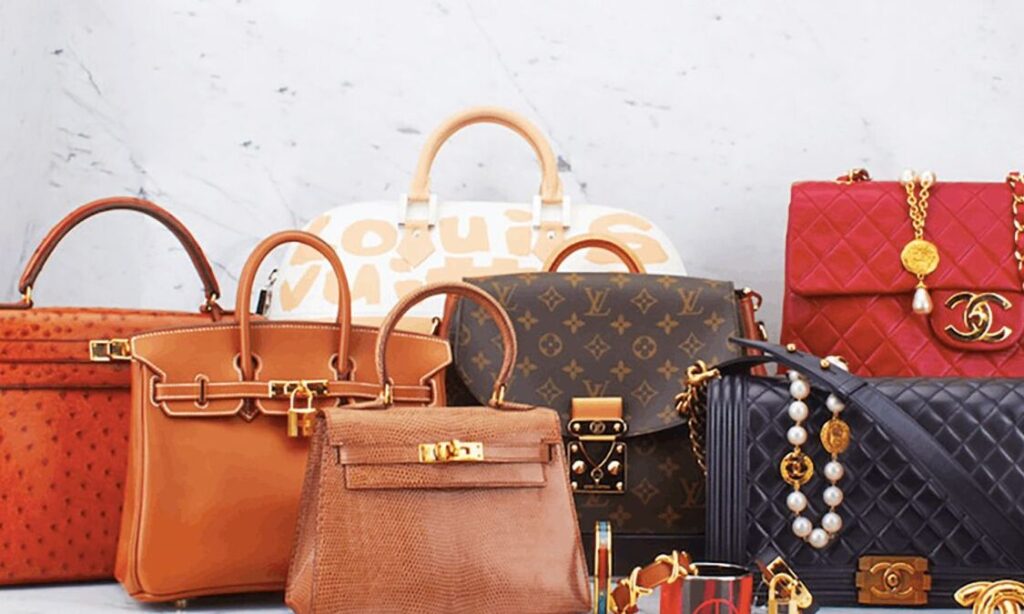
When it comes to luxury handbags, selecting the perfect one can feel overwhelming. With countless options available from renowned designers and emerging brands, how do we choose the right bag that exudes elegance and sophistication? Our comprehensive comparison guide is designed to help us navigate this glamorous world of high-end fashion accessories.
We will delve into various luxury handbag styles highlighting their unique features craftsmanship and practicality. From iconic silhouettes to trendy designs we will explore which bags are worth the investment. Whether we seek a classic tote or a statement clutch our curated selection will ensure that every preference is catered for.
Are you ready to elevate your accessory game with a stunning luxury handbag? Join us as we uncover the finest choices on the market ensuring you make an informed decision that reflects your personal style and taste.
Choosing The Right Luxury Handbag For Your Style
Choosing the perfect luxury handbag that aligns with our personal style can be a rewarding yet challenging experience. With countless designs, materials, and brands available, it’s essential to consider how each option complements our wardrobe and lifestyle. A luxury handbag is not just an accessory; it reflects our personality and values. Therefore, understanding what suits us best will enhance both our confidence and the overall aesthetic of our outfits.
Assessing Your Personal Style
Before diving into the vast market of luxury handbags, we should take a moment to reflect on our individual tastes. Are we drawn to classic elegance or more modern avant-garde designs? Identifying whether we prefer structured silhouettes or softer shapes can significantly narrow down our choices. Additionally, considering factors such as color preferences and patterns will help us find a handbag that seamlessly integrates into our existing collection.
Key considerations include:
- Color Palette: Determine if you favor neutral colors for versatility or bold hues for statement pieces.
- Silhouette Preference: Decide between tote bags for everyday use or clutch bags for special occasions.
- Functionality Needs: Consider how often you’ll need your handbag; do you require ample space for daily essentials?
Matching Occasion with Design
Luxury handbags are often crafted with specific occasions in mind. Understanding when and where we plan to use the bag can influence design selection immensely. For instance, if we’re looking for something suitable for work, opting for a sophisticated leather tote might be ideal. In contrast, if we’re attending an evening event, a stylish clutch could be more appropriate.
Here are some typical scenarios along with suggested styles:
| Occasion | Recommended Handbag Style |
|---|---|
| Work | Structured Tote |
| Casual Outings | Crossbody Bag |
| Formal Events | Elegant Clutch |
| Travel | Spacious Backpack |
Considering these factors not only enhances functionality but also ensures that we choose a piece that resonates well with each setting.
Prioritizing Quality Over Quantity
While it may be tempting to accumulate several handbags over time, focusing on quality instead can lead to wiser investments in luxury items. A well-crafted luxury handbag has longevity and timeless appeal-qualities that ensure it remains fashionable season after season. We recommend examining craftsmanship details such as stitching precision and hardware quality while comparing options above.
Investing in fewer high-quality pieces allows us to curate a collection that showcases style evolution without compromising on aesthetics or durability.
In summary, selecting the right luxury handbag requires thoughtful consideration of personal style preferences and practical applications. By reflecting on these elements before making any purchase decisions from the comparison guide above, we position ourselves to choose bags that truly resonate with who we are while fulfilling all functional requirements effectively.
Materials That Define Quality In High-End Bags
Choosing a luxury handbag involves not only aesthetic appeal but also an understanding of the materials that contribute to its overall quality. High-end bags are often made from premium materials that ensure durability, functionality, and timeless elegance. When we explore options in the comparison guide above, it’s essential to recognize how these materials influence both the bag’s look and longevity.
Leather Types
Leather is perhaps the most prominent material used in luxury handbags. Different types of leather offer varying textures, finishes, and levels of resilience:
- Full-grain leather: This is the highest quality leather available, known for its natural imperfections and durability.
- Top-grain leather: Slightly more processed than full-grain, top-grain leather has a smoother finish while still maintaining strength.
- Saffiano leather: Characterized by its crosshatch texture and resistance to scratching, saffiano is popular among designer brands for its stylish yet functional properties.
As we assess products above, consider how each type of leather aligns with our lifestyle needs and style preferences.
Fabric Options
While leather dominates high-end handbags, various fabrics can also define quality:
- Canvas: Often treated for water resistance and enhanced durability, canvas bags blend casual aesthetics with practicality.
- Silk or satin: These luxurious fabrics add elegance but may require careful handling due to their delicate nature.
- Nylon: A modern alternative that offers lightweight versatility without compromising on style; high-quality nylon can be surprisingly durable.
Understanding fabric options allows us to select a handbag that not only looks good but also meets our daily demands effectively.
Hardware Quality
The finishing touches on a luxury handbag often come down to hardware. High-quality metals such as brass or stainless steel are commonly used for zippers, clasps, and embellishments. The weight and sound of these elements can indicate their quality-heavier hardware typically signifies sturdiness.
When comparing products in our guide above, pay attention to:
- The finish: Look for smooth edges without rough spots.
- Functionality: Ensure zippers glide easily without snagging.
- Design integration: Hardware should complement the overall design rather than overpower it.
By focusing on these details during our selection process, we enhance our chances of choosing a truly exceptional piece that encapsulates both beauty and utility.
Understanding Brand Heritage And Its Impact On Value
Brand heritage plays a crucial role in the value and desirability of luxury handbags. It encompasses the history, craftsmanship, and reputation that each brand has cultivated over time. When we explore the options presented in our comparison guide above, understanding a brand’s heritage helps us appreciate not just the aesthetic appeal but also the intrinsic worth associated with their products.
A strong brand heritage often correlates with quality assurance, as brands with longstanding histories have established rigorous standards for materials and craftsmanship. This legacy instills confidence in consumers, knowing they are investing in a product backed by years of expertise. As we review different luxury handbags, consider how each brand’s story contributes to its overall perception and market value.
The Importance of Craftsmanship
The level of craftsmanship associated with luxury handbags can vary significantly between brands. High-end designers typically emphasize meticulous attention to detail and superior construction techniques:
- Artisanal Skills: Many luxury brands employ skilled artisans who specialize in various aspects of handbag production-from leather cutting to stitching-ensuring each piece is crafted to perfection.
- Limited Production Runs: Brands often limit the number of units produced for specific collections or styles, enhancing exclusivity and perceived value.
- Signature Techniques: Unique techniques passed down through generations can add distinctive characteristics to a handbag that sets it apart from mass-produced items.
By recognizing these elements while evaluating products listed above, we can better understand why certain bags carry higher price tags than others.
Brand Legacy and Its Influence on Resale Value
Another aspect of brand heritage is its impact on resale value. Luxury handbags from well-established brands tend to retain their worth more effectively over time compared to lesser-known labels:
- Market Demand: Established names usually enjoy consistent demand due to their reputation and loyal customer base.
- Collectibility: Certain designs become iconic within fashion circles; owning such pieces can be viewed as an investment rather than mere consumption.
When assessing which luxury handbag may suit our needs best, it’s essential to keep resale potential in mind if we ever choose to trade or sell our investment later on.
Understanding how brand heritage impacts both current purchase decisions and future value retention empowers us as informed consumers. By examining these factors closely alongside other features highlighted earlier, we enhance our ability to select not only beautiful items but also wise investments for our wardrobe collection.
Essential Features To Look For In A Designer Handbag
When considering a luxury handbag, understanding the essential features that define quality and functionality is crucial for making an informed decision. These elements not only enhance the aesthetic appeal of the bag but also ensure its durability and usability over time. As we navigate through our comparison guide above, we can identify specific attributes that elevate a designer handbag from ordinary to extraordinary.
Quality Construction
One of the hallmarks of a luxury handbag is its superior construction. We should pay attention to these aspects:
- Stitching: High-end bags often feature precise stitching with no visible loose threads. A consistent pattern indicates skilled craftsmanship.
- Lining Material: The interior lining should be made from high-quality fabric or leather, adding to both comfort and durability.
- Hardware Quality: Zippers, clasps, and other hardware pieces must be sturdy and smooth-operating; poorly made components can detract from the overall experience.
Functional Design
While aesthetics matter greatly in luxury handbags, practicality cannot be overlooked. Consider these functional aspects:
- Size & Capacity: Evaluate whether the size fits our daily needs-whether it’s for work or casual outings-and how much it can hold comfortably.
- Versatility: Look for designs that allow us to wear them across different settings-be it day-to-night transitions or casual versus formal occasions.
- Pockets & Organization: Adequate compartments help keep belongings organized without cluttering, enhancing usability on-the-go.
Timeless Style
A truly luxurious handbag transcends trends; it embodies timeless elegance. Key features include:
- Classic Silhouettes: Shapes such as totes, crossbodies, or satchels tend to hold their value better due to their enduring appeal.
- Neutral Colors: Bags in versatile shades like black, beige, or navy offer more styling options while being less likely to go out of fashion.
By focusing on these essential features when evaluating products listed above, we position ourselves as discerning consumers ready to make wise investments in our wardrobe collections. Recognizing what constitutes quality enhances not just our current purchase choices but also ensures satisfaction with every designer handbag we consider.
Comparing Price Points: What You Get For Your Investment
When investing in a luxury handbag, understanding the price points is essential for determining what we are truly getting for our money. A significant price tag often reflects not just the brand name but also the craftsmanship, materials, and overall quality that goes into each bag. By breaking down these costs, we can make informed decisions about which products from our comparison guide above best meet our needs and budget.
Factors Influencing Price
Several factors contribute to the cost of a luxury handbag:
- Brand Reputation: Established brands with a strong heritage typically command higher prices due to their reputation for quality and exclusivity.
- Material Quality: The type of leather or fabric used significantly affects pricing. Full-grain leather, exotic skins, and high-quality textiles come at a premium.
- Craftsmanship: Handcrafted bags require skilled labor and time, making them more expensive than mass-produced alternatives.
| Price Range | Typical Features |
|---|---|
| $500 – $1,000 | Good quality materials, basic designs. |
| $1,000 – $2,500 | High-quality leathers, better hardware, unique designs. |
| $2,500+ | Exquisite craftsmanship, rare materials (e.g., exotic leathers), limited editions. |
What You Should Expect
As we evaluate various options in our comparison guide above based on these price points:
- For handbags priced between $500 and $1,000: We can expect decent quality materials along with functional design elements suitable for everyday use.
- In the range of $1,000 to $2,500: We find superior construction features such as enhanced stitching techniques and better overall durability. These bags often offer greater aesthetic appeal with unique styles or limited runs.
- Above $2,500: This category represents an investment in artistry. Here lies exceptional craftsmanship utilizing rare materials-ideal for those seeking not just functionality but also status symbols in their wardrobe.
Understanding the distinctions across price categories helps us appreciate why certain luxury handbags may carry heftier tags than others. By analyzing these aspects alongside product offerings listed above in our comparison guide while keeping this information in mind allows us to pinpoint those that provide optimal value tailored to our preferences.