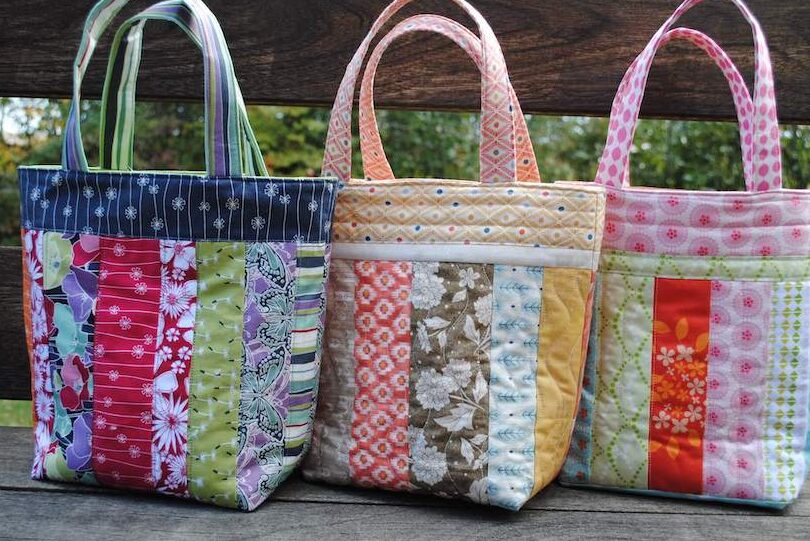
[amazon bestseller=”quilted handbag patterns”]
Are you ready to elevate your accessory game with stunning designs? Quilted handbag patterns offer a unique blend of style and functionality that we all crave in our creations. With a multitude of textures and colors to choose from, these patterns allow us to express our creativity while crafting one-of-a-kind bags that stand out in any crowd.
In this article, we will explore the best quilted handbag patterns available today. From chic everyday styles to elegant evening options, we’ve curated a list that caters to every taste and occasion. Whether you’re an experienced seamstress or just starting out, our selection promises something for everyone. So why settle for ordinary when you can create extraordinary pieces? What will be your next stylish creation? Join us as we delve into the world of quilted handbags!
Choosing the Right Fabric for Your Quilted Handbag
is essential to ensure both durability and style. When selecting materials, we must consider how they will influence the overall look and functionality of our creation. Our choices can range from lightweight cottons to more robust canvas or synthetic options, each offering unique benefits that align with different quilted handbag patterns.
Fabric Types to Consider
- Cotton: This versatile fabric is perfect for beginners due to its ease of handling and wide array of prints. It offers comfort and breathability but may require interfacing for added structure.
- Canvas: Known for its strength, canvas is an excellent option if we want a sturdy bag that can withstand daily wear and tear. It’s ideal for larger handbags where weight distribution matters.
- Denim: If we aim for a casual yet stylish look, denim provides durability along with a chic aesthetic. The thickness adds body to our designs while ensuring longevity.
- Satin or Silk: For those looking to create a more elegant piece, satin or silk can elevate our handbag’s appearance significantly; however, these fabrics need careful handling as they can fray easily.
- Faux Leather: This option combines style with practicality, giving us a sophisticated finish without compromising on animal welfare. It’s also easier to clean than natural leather.
Tips for Choosing Fabric
- Weight Matters: Always consider the weight of the fabric in relation to the size of your bag-heavier fabrics work well for larger bags, while lighter options are suitable for small clutches.
- Consider Texture: The texture affects not only aesthetics but also usability; smooth fabrics may slide off shoulders while textured surfaces provide better grip.
- Color Coordination: Ensure that the colors complement each other within your selected quilted handbag patterns; this harmony contributes greatly to visual appeal.
In summary, understanding the various fabric types available allows us to make informed decisions tailored specifically towards our intended design goals and practical needs when crafting quilted handbags. By evaluating what each material brings to our projects, we enhance both functionality and aesthetics-key aspects highlighted in the product comparison above that we’ve carefully tested before recommending them here.
Essential Features to Look for in Quilted Handbag Patterns
When exploring quilted handbag patterns, it’s crucial to identify essential features that will enhance both the functionality and aesthetic appeal of our creations. These features not only play a significant role in the crafting process but also determine how practical and stylish our finished handbags will be. By focusing on these aspects, we can ensure that the patterns we choose align perfectly with our design vision while meeting everyday needs.
Key Features to Consider
- Pockets and Compartments: A well-designed pattern should include various pockets or compartments. This feature allows us to keep essentials organized, making it easier to find items quickly without rummaging through the bag.
- Ease of Assembly: Some quilted handbag patterns may have intricate designs that require advanced skills, while others are tailored for simplicity. Selecting a pattern that matches our sewing proficiency ensures a smoother crafting experience.
- Adjustable Straps: Look for patterns that incorporate adjustable straps. This flexibility allows us to customize the bag’s fit according to personal preference or different carrying styles, increasing its versatility.
- Stability and Structure: The pattern should provide guidelines for adding interfacing or stabilizers if needed. Maintaining the shape of our handbag is essential, particularly for larger styles where drooping can detract from its overall appearance.
Additional Considerations
To further narrow down our options when selecting quilted handbag patterns, it’s beneficial to evaluate their compatibility with various fabric types we’ve discussed earlier:
- Cotton Patterns: Often include straightforward designs that are user-friendly.
- Canvas Designs: Tend to focus on durability and structure.
- Denim Options: Frequently highlight casual aesthetics combined with sturdy construction.
- Satin/Silk Styles: May emphasize elegance but require careful handling during assembly.
- Faux Leather Patterns: Can blend sophistication with practicality effectively.
By pinpointing these critical features within quilted handbag patterns, we empower ourselves to make informed decisions aligned with our creative aspirations while ensuring functional utility in everyday life-an aspect that’s thoroughly evaluated in the product comparison above for your convenience.
Stylish Design Elements That Make a Statement
When it comes to quilted handbag patterns, the design elements we choose can significantly impact the overall appeal and functionality of our creations. Stylish features not only elevate the aesthetic but also serve practical purposes that enhance our daily lives. By carefully selecting these design aspects, we ensure that our handbags are not just accessories but statements of personal style.
Eye-Catching Details
Incorporating unique details can transform a simple handbag into a standout piece. Consider adding:
- Contrasting Stitching: This technique can highlight seams and create visual interest while showcasing your sewing skills.
- Bold Hardware: Utilizing distinctive clasps or zippers can add a modern touch and make your handbag more functional.
- Decorative Patches or Appliqués: These embellishments allow for personalization, enabling us to express our creativity and style preferences.
Color and Texture Combinations
The right color palette and texture combination play a vital role in making a statement with quilted handbags. We should explore various options such as:
- Monochromatic Schemes: Using different shades of the same color creates elegance while maintaining simplicity.
- Mixing Textures: Combining fabrics like cotton with faux leather adds depth and sophistication, allowing us to experiment with tactile contrasts.
Versatile Styles
Choosing versatile designs enables us to adapt our quilted handbags for various occasions. Patterns that offer multiple carrying options-like crossbody, tote, or clutch-can be particularly appealing. This adaptability ensures we get maximum use out of each creation while keeping up with changing trends.
By focusing on these stylish design elements within quilted handbag patterns, we position ourselves to craft pieces that not only fulfill practical needs but also resonate with personal flair-a factor well reflected in the product comparison above.
Tips for Selecting the Perfect Size and Shape
Selecting the right size and shape for our quilted handbag is essential to ensure both functionality and style. The dimensions we choose can greatly influence how practical a handbag will be in our daily lives, while also complementing our personal aesthetics. By considering specific factors related to size and shape, we can enhance the overall usability of our creations, making them not only fashionable but also versatile.
Assessing Your Needs
Before deciding on the dimensions of your handbag, it’s crucial to assess our personal needs. Here are some key questions to consider:
- What items do we carry daily? Understanding the essentials-like wallets, phones, or makeup bags-will help determine the necessary space.
- Do we prefer hands-free options? If so, opting for crossbody or backpack styles might be ideal.
- Are there occasions where larger bags are required? For events or travel, selecting a spacious design could be beneficial.
Balancing Style with Functionality
While aesthetics play an important role in choosing quilted handbag patterns, functionality should not be overlooked. Striking a balance between style and practicality can involve:
- Choosing Structured vs. Slouchy Designs: Structured handbags often offer more organization with compartments; however, slouchy designs tend to provide flexibility for carrying various items.
- Considering Proportions: A good rule of thumb is that larger handbags work well with taller individuals while smaller bags typically suit shorter frames better.
Popular Size Options
When exploring sizes for quilted handbags, several popular options emerge that cater to different preferences:
| Size Category | Dimensions (Approx.) | Ideal Use |
|---|---|---|
| Mini | Up to 10 inches | Evening outings or minimalists |
| Medium | 10 – 15 inches | Daily use with reasonable capacity |
| Large | Over 15 inches | Travel or extensive storage needs |
By understanding these categories along with their respective uses, we can make informed decisions when evaluating products listed above.
Ultimately, by carefully assessing our functional requirements and blending them harmoniously with stylish elements found in quilted handbag patterns showcased earlier in this article, we position ourselves to select the perfect size and shape that truly resonates with us.
Understanding Skill Levels Needed for Different Patterns
Selecting the right quilted handbag pattern involves understanding our own skill level and how it aligns with the complexity of the designs we wish to tackle. Different patterns may require varying degrees of sewing proficiency, which can significantly impact our overall experience and satisfaction. By assessing our capabilities honestly, we can choose projects that not only challenge us but also ensure a fulfilling crafting journey.
Beginner Patterns
For those just starting in the world of quilting and handbag creation, selecting beginner-friendly patterns is essential. These designs typically feature:
- Simple shapes: Often using basic squares or rectangles.
- Fewer pieces: This makes assembly more straightforward and less time-consuming.
- Clear instructions: Easy-to-follow steps help boost confidence for new sewists.
Beginning with these accessible options allows us to build foundational skills while creating stylish bags without overwhelming ourselves.
Intermediate Patterns
Once we’ve gained some experience, we might feel ready to explore intermediate-level quilted handbag patterns. These often incorporate:
- More intricate designs: Such as curves or angles that require precise cutting and stitching.
- Additional features: Like pockets, zippers, or linings that enhance functionality but may add complexity.
- Varied fabrics: Challenging ourselves with different materials can elevate our creations.
Choosing intermediate patterns can be rewarding as they promote skill development while allowing us to express creativity through more advanced techniques.
Advanced Patterns
For seasoned sewists looking to push their limits, advanced quilted handbag patterns provide an exciting challenge. These designs frequently include:
- Complex construction methods: Techniques like foundation paper piecing or free-motion quilting.
- Unique design elements: Such as embellishments or custom hardware placements that showcase individual style.
- Extensive planning requirements: More detailed preparations are necessary for fabric selection and layout.
Tackling these sophisticated projects not only showcases our mastery of quilting skills but also results in stunning handbags that stand out from the crowd.
By evaluating our current skill levels against the demands of various quilted handbag patterns listed above, we equip ourselves to select suitable projects from the products showcased earlier in this article. This thoughtful approach ensures a satisfying crafting experience while enhancing both our abilities and wardrobe style.