[amazon bestseller=”sell designer handbag”]
In the world of fashion, few items hold as much allure as a designer handbag. These luxurious accessories not only elevate our style but also represent a significant investment. If we’re looking to make the most out of our collection, understanding how to effectively sell designer handbags for maximum profit is essential.
We will explore proven strategies that allow us to tap into the lucrative market for pre-owned luxury bags. From choosing the right selling platform to optimizing our listings with eye-catching photos and compelling descriptions, every detail matters when it comes to attracting buyers. Have you ever wondered what makes certain handbags fly off the virtual shelves while others linger? Join us as we uncover key insights and tips that can help us achieve top dollar for our beloved designer pieces.
Best Platforms to Sell Designer Handbags
When we decide to sell designer handbags, choosing the right platform is crucial for maximizing our profit. Each platform offers unique features, audiences, and selling conditions that can significantly influence our success. Below, we explore several of the best platforms where we can list our handbags, allowing us to reach potential buyers effectively.
Online Marketplaces
Online marketplaces have become a popular choice for individuals looking to sell their designer handbags. They offer vast customer bases and user-friendly interfaces.
- eBay: Known for its auction-style listings, eBay allows us to set competitive prices or let bidders determine the value.
- Poshmark: This social commerce platform specializes in fashion items. Its community-driven approach helps increase visibility.
- Depop: Targeting younger audiences, Depop thrives on curated selections of unique styles and vintage pieces.
Luxury Resale Websites
Luxury resale websites cater specifically to high-end items, making them ideal for selling designer handbags.
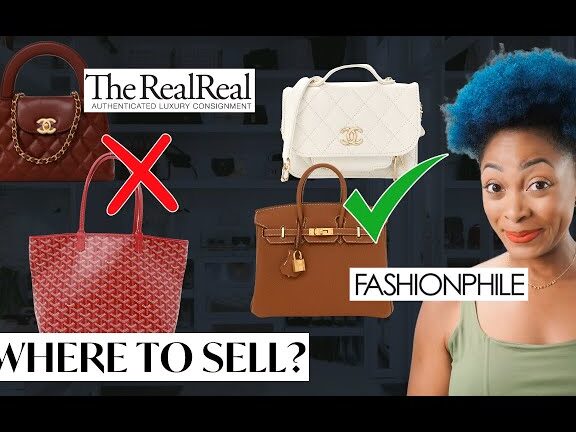
- The RealReal: With professional authentication services, The RealReal instills confidence in buyers while ensuring that our bags are accurately represented.
- Vestiaire Collective: This global marketplace allows users to buy and sell pre-owned luxury goods with a focus on quality control.
Consignment Stores
Consignment stores provide an alternative avenue by taking care of the sale process for us but often at a cost.
- Local consignment shops may offer personalized service and local clientele.
- Online consignment options allow broader exposure while providing professional handling of sales transactions.
Choosing between these platforms depends on various factors like target audience, pricing strategies, and desired level of involvement in the selling process. We should consider listing our products on multiple sites simultaneously as this strategy could drive more traffic towards them. Remember to review the comparison chart above when selecting which platforms might suit our needs best!
Assessing the Condition of Your Handbag for Sale
Evaluating the condition of our handbag is a crucial step when we decide to sell designer handbags. Buyers are often willing to pay more for items that are in excellent condition, so it’s essential to be thorough and honest in our assessment. This process not only helps us determine a fair price but also enhances buyer confidence.
We should start by examining the exterior of the handbag. Look for any signs of wear, such as scratches, scuffs, or discoloration. Pay particular attention to areas like corners and edges that tend to show damage first. Additionally, check the hardware-zippers, clasps, and buckles-to ensure they function properly and are free from rust or tarnishing.
Next, we need to inspect the interior. A clean lining is just as important as an undamaged exterior. Remove all contents from the bag and look for stains or odors that could deter potential buyers. If necessary, consider professional cleaning services tailored for luxury handbags.
Additionally, it’s vital to verify authenticity marks and labels inside the handbag. Providing evidence of authenticity can significantly increase its value during resale since many buyers prioritize genuine products.
Here’s a checklist we can use while assessing our handbag’s condition:
- Exterior Inspection:
- Scratches or scuffs on leather
- Damage at corners and edges
- Hardware functionality (zippers/clasps)
- Interior Inspection:
- Cleanliness of lining
- Presence of stains or odors
- Authenticity Verification:
- Check brand labels
- Review serial numbers if available
Taking detailed notes during this assessment will help us craft an accurate product description later on in our selling journey. Remember, presenting our handbag honestly will attract serious buyers who appreciate transparency-leading us closer to achieving maximum profit!
Understanding Market Trends in Luxury Bags
Understanding the market trends in luxury bags is vital for us when we decide to sell designer handbags. Recognizing what styles, colors, and brands are currently popular can significantly influence our selling strategy and ultimately maximize our profits. The luxury handbag market is dynamic, with shifts driven by seasonal changes, cultural influences, and celebrity endorsements.
To stay ahead of trends, we should regularly monitor platforms where luxury bags are sold. Websites that facilitate the resale of designer items often provide insights into which products are seeing increased demand. Additionally, examining social media platforms like Instagram can give us a sense of what influencers are showcasing and what styles resonate with consumers.
Key Factors Influencing Market Trends
- Seasonal Preferences: Different times of the year may favor certain styles or colors.
- Celebrity Influence: High-profile endorsements or appearances can create spikes in interest for specific brands or designs.
- Sustainability: Increasingly, buyers prioritize eco-friendly practices; brands embracing sustainability may see enhanced value.
Insights from Sales Data
By analyzing recent sales data available on various resale platforms, we gain valuable insights regarding pricing strategies and product performance:
| Brand | Average Resale Price | Growth Rate (%) |
|---|---|---|
| Brand A | $1,200 | 15% |
| Brand B | $900 | 10% |
| Brand C | $750 | -5% |
This table reflects how certain brands perform within the luxury bag market-offering guidance on potential opportunities when we choose to sell designer handbags.
Staying Updated
Regularly keeping an eye on emerging trends will not only inform us about which products to focus our efforts on but also enhance our ability to craft compelling product descriptions that align with buyer interests. By understanding these market dynamics as part of our selling journey, we position ourselves better for successful transactions while tapping into ongoing trends that resonate with discerning customers seeking quality designer pieces from a well-curated selection-like those showcased at the top of this article!
Tips for Crafting an Enticing Product Description
Crafting an enticing product description is crucial when we aim to sell designer handbags effectively. A well-written description not only showcases the handbag’s features but also evokes emotions that resonate with potential buyers. Our goal is to create a narrative around the product that highlights its uniqueness and value, ultimately encouraging customers to click on the products listed above.
To achieve this, we should focus on several key elements:
Highlight Unique Features
- Material Quality: Mention the luxurious materials used, such as genuine leather or suede, which can elevate perceived value.
- Design Details: Describe unique design elements like hardware finishes or stitching patterns that set it apart from other bags.
- Brand Heritage: Share insights about the brand’s history or craftsmanship that adds depth and allure to the handbag.
Create a Compelling Story
We can engage buyers by weaving in a story about how the handbag fits into their lifestyle. For instance:
- Describe scenarios where they could use it, whether for casual outings or formal events.
- Emphasize how owning this designer piece elevates their personal style and makes a statement.
Use Persuasive Language
Incorporate language that inspires desire:
- Utilize strong adjectives like “timeless,” “elegant,” and “iconic” to paint a vivid picture of the bag’s appeal.
- Include sensory words that evoke feelings-like softness of materials or vibrant colors-making it easier for buyers to visualize themselves with the product.
Additionally, consider including care tips or styling suggestions, which can provide further value and enhance buyer confidence in purchasing decisions.
By implementing these strategies in our product descriptions, we align closely with what discerning consumers seek when deciding to purchase high-end handbags. This thoughtful approach will make our listings more attractive and informative while driving interest toward those desirable options highlighted at the start of this article!
Setting the Right Price for Maximum Profit
Setting the right price for our designer handbags is a critical factor in achieving maximum profit. A well-calibrated price not only attracts potential buyers but also reflects the handbag’s value while ensuring we remain competitive in the market. It’s essential to strike a balance between what we believe our bag is worth and what customers are willing to pay.
To effectively set prices, we must consider several key factors:
Analyze Comparable Listings
Investigating similar listings on various platforms can provide invaluable insights into current pricing trends. We should pay attention to:
- Brand Recognition: Popular brands often command higher prices due to their prestige.
- Condition of the Handbag: Gently used bags may fetch more than those with visible wear.
- Market Demand: High-demand styles or limited editions typically justify premium pricing.
Understand Our Target Audience
Identifying who our potential buyers are will help tailor our pricing strategy. Are they luxury enthusiasts seeking exclusive pieces, or casual shoppers looking for quality at a reasonable price? Knowing this allows us to adjust prices accordingly, ensuring they resonate with what consumers expect.
Consider Pricing Strategies
Implementing specific pricing strategies can enhance our sales approach:
- Competitive Pricing: Setting prices slightly below competitors can attract budget-conscious buyers while maintaining perceived value.
- Psychological Pricing: Ending prices in .99 or .95 may appear less intimidating and encourage purchases.
By employing these techniques, we position ourselves strategically within the market landscape while enhancing visibility for those products highlighted above. Adjusting our pricing based on continuous market analysis ensures that we stay relevant and appealing to discerning customers eager to buy designer handbags.
Ultimately, getting the pricing right involves constant evaluation and adaptation as trends shift and consumer preferences evolve. By remaining flexible and informed about both our product’s worth and buyer expectations, we increase our chances of maximizing profit from each sale.