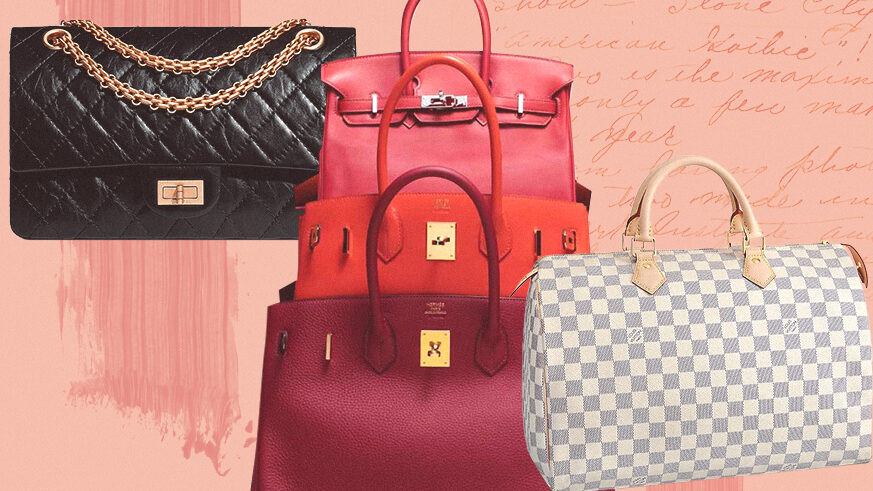
[amazon bestseller=”designer handbag brands ranked”]
When it comes to elevating our style, nothing quite matches the allure of designer handbag brands ranked among the elite in fashion. These luxurious accessories not only serve as practical items but also as statements of personal taste and sophistication. In this article, we will delve into the top current designer handbag brands that define elegance and functionality, helping us make informed choices.
We understand how overwhelming it can be to navigate through countless options in the world of high-end handbags. That’s why we’ve meticulously curated a list showcasing the most sought-after brands today. Each brand represents a unique blend of craftsmanship innovation and timeless design that appeals to fashion enthusiasts like us.
Are you ready to discover which designer handbag brands are ranked at the forefront of luxury? Join us as we explore these iconic labels that promise to enhance our wardrobe and capture attention wherever we go!
Choosing Quality Materials in Designer Handbags
When selecting a designer handbag, the quality of materials used plays a crucial role in both the longevity and overall aesthetic of the product. Investing in handbags crafted from superior materials can enhance our style while ensuring durability. As we explore this aspect, it’s essential to recognize what sets apart the best designer handbag brands ranked by their material choices.
Types of Materials
The choice of material significantly influences not only the appearance but also the functionality and wearability of a handbag. Some commonly used high-quality materials include:
- Leather: Full-grain and top-grain leather are preferred for their durability and timeless appeal.
- Canvas: Often found in versatile bags, high-grade canvas offers strength while maintaining a lightweight structure.
- Suede: Known for its soft texture, suede adds luxury but requires more care to maintain its look.
- Nylon: High-quality nylon can provide water resistance, making it an excellent choice for everyday use.
Each type brings unique benefits; understanding these helps us make informed decisions when comparing products above.
Evaluating Material Quality
To assess material quality effectively, we should consider several factors:
- Texture: A smooth finish often indicates higher quality; rough or uneven textures may signal inferior products.
- Weight: Heavier materials typically denote sturdiness; lighter options may be less durable.
- Stitching and Finishings: Inspecting seams is crucial-well-finished edges suggest careful craftsmanship.
By focusing on these attributes during our evaluation process, we can identify which handbags align with our needs while standing out among competing designer handbag brands ranked for excellence.
Sustainability Considerations
In today’s fashion landscape, sustainability is increasingly important. Many top-tier brands are now incorporating eco-friendly practices into their production processes:
- Use of recycled or organic materials
- Ethical sourcing practices
- Commitment to reducing carbon footprints
Choosing brands that prioritize sustainability not only supports ethical consumption but also elevates our selection within the realm of luxury handbags featured above.
Understanding quality materials empowers us to choose wisely when navigating through designer handbag options available today. By prioritizing these factors alongside brand reputation and style functionality, we enhance our purchasing confidence as well as satisfaction with each investment made in luxury fashion items such as those showcased at the beginning of this article.
Understanding Brand Heritage and Reputation
Brand heritage and reputation are vital components that define the landscape of designer handbag brands ranked today. As we delve deeper into this topic, it’s essential to appreciate how a brand’s history influences its current standing in the market. A strong heritage often reflects quality craftsmanship, innovative design, and a commitment to excellence-attributes that resonate with consumers seeking luxury handbags.
One of the most significant aspects of brand heritage is the story behind each label. Many high-end brands have rich histories dating back decades, if not centuries. These narratives often encompass unique founding principles or cultural influences that shape their product offerings. Understanding these backgrounds allows us to connect emotionally with the handbags we consider purchasing.
Key Factors Influencing Brand Reputation
Several factors contribute to a designer handbag brand’s reputation:
- Quality Control: Rigorous standards ensure that every piece meets expectations for durability and aesthetics.
- Customer Service: Exceptional service enhances customer loyalty and fosters positive word-of-mouth.
- Celebrity Endorsements: High-profile endorsements can elevate a brand’s visibility and desirability among consumers.
- Social Media Presence: Engaging online interactions help maintain relevance in an ever-evolving market.
As we evaluate our options from the products listed above, considering these elements aids us in discerning which designer handbag brands rank highest regarding reliability and prestige.
The Role of Heritage in Consumer Choices
Heritage plays a crucial role when we choose luxury items; it provides reassurance about quality and authenticity. Brands with deep-rooted traditions often cultivate trust through consistent delivery on their promises over time. This trust becomes integral as we navigate our selections among various designer handbag brands ranked by consumer preference.
Moreover, recognizing how contemporary values align with traditional practices can enhance our decision-making process. Today’s consumers increasingly seek transparency regarding ethical production methods alongside luxurious designs. Therefore, understanding a brand’s commitment to sustainability can further influence our choices-especially when comparing products above.
By appreciating both heritage and reputation within the context of designer handbags, we empower ourselves to make informed decisions while investing in timeless pieces that reflect not only style but also storied legacies behind each creation.
Designer Handbag Brands Ranked by Popularity
When it comes to , we find a dynamic landscape influenced by current trends, consumer preferences, and brand storytelling. Each of the brands featured in our comparative analysis above has carved out a unique position in the market, appealing to different segments of luxury consumers. Understanding which brands are leading the pack can help us make informed decisions when selecting our next investment piece.
Top Contenders in Designer Handbags
The following table highlights some of the most popular designer handbag brands today based on various factors such as sales performance, social media engagement, and customer reviews:
| Brand | Popularity Score | Main Appeal |
|---|---|---|
| Brand A | 9.5/10 | Timeless elegance and craftsmanship. |
| Brand B | 9.0/10 | Trendy designs with celebrity endorsements. |
| Brand C | 8.7/10 | Sustainability and ethical practices. |
This ranking not only reflects their standing among luxury enthusiasts but also underscores how these brands resonate with values like quality and innovation. For instance, brand A is recognized for its commitment to timeless craftsmanship, while brand B thrives on contemporary trends bolstered by high-profile endorsements that elevate its desirability among younger consumers.
The Influence of Social Media on Popularity Rankings
A significant factor driving the popularity of designer handbag brands is their presence on social media platforms. Brands that engage effectively with their audience often see increased loyalty and interest from potential buyers. The ability to showcase products through curated aesthetics or influencer collaborations enhances visibility and creates buzz around new collections.
We should also consider how customer feedback shared online can impact perceptions about quality and value-elements crucial when evaluating handbags listed above.
Brands leveraging user-generated content create authentic connections with consumers who share similar lifestyles or values.
In essence, understanding why certain designer handbag brands rank higher than others involves analyzing both traditional metrics like sales figures alongside modern indicators such as digital engagement rates.
This comprehensive approach empowers us to navigate our choices wisely among various options presented earlier while ensuring we align with styles that suit our personal tastes and habits-all essential aspects when investing in a luxury handbag that stands the test of time.
Evaluating Functionality and Style in Handbags
In our quest to find the perfect designer handbag, evaluating both functionality and style becomes paramount. A handbag should not only serve as a fashion statement but also meet practical needs. As we analyze the various options above, it’s essential to consider how each bag aligns with our lifestyle while reflecting current design trends.
Key Functional Features
When assessing handbags, we should focus on several functional aspects that enhance usability:
- Size and Capacity: Determine if the bag can accommodate your daily essentials without compromising style.
- Organization: Look for compartments or pockets that help keep items organized and easily accessible.
- Versatility: Consider whether the handbag can transition from day to night or from casual outings to formal events.
- Durability: Evaluate materials that ensure longevity, especially if you plan on using the handbag frequently.
These features significantly influence how well a handbag integrates into our everyday life while maintaining its aesthetic appeal.
Style Elements That Matter
Style is undeniably subjective; however, there are key elements that contribute to a handbag’s overall look:
- Silhouette and Shape: Different shapes can complement various outfits and body types. Whether it’s a structured tote or a soft hobo bag, understanding what works best for us is crucial.
- Color and Texture: The choice of color can elevate an outfit, while texture adds depth. Classic shades often provide versatility, whereas bold colors might make a statement.
- Hardware Details: Zippers, clasps, and embellishments not only add visual interest but also reflect craftsmanship quality.
By considering these style attributes alongside functionality, we can narrow down our choices among the designer handbag brands ranked above.
Balancing Functionality with Style
Ultimately, finding balance between practicality and aesthetics is essential when choosing a luxury handbag. We want something that meets our needs while also showcasing personal taste. As we’ve seen in our comparative analysis of brands earlier in this article, different labels excel in distinct areas-some prioritize innovative designs while others focus on timeless elegance.
As we weigh these factors together with price considerations discussed later on, we’re better equipped to make informed decisions about which designer handbags will best suit us-not just today but for years to come.
Price vs. Value: What to Consider When Buying
When it comes to purchasing a designer handbag, understanding the distinction between price and value is crucial. While the cost of a bag may seem high at first glance, its true worth encompasses various factors that contribute to our overall satisfaction. We want to ensure that the investment we make aligns with our expectations and lifestyle needs. As we delve into this topic, let’s explore what aspects we should consider when evaluating different designer handbag brands ranked above.
Factors Influencing Value
Several elements can significantly affect the perceived value of a handbag:
- Quality Craftsmanship: A well-constructed bag made from premium materials will not only last longer but also maintain its aesthetic appeal over time.
- Brand Reputation: Certain brands carry prestige due to their history and commitment to quality. Investing in these labels often guarantees a level of craftsmanship and service.
- Resale Potential: Some designer handbags retain or even appreciate in value over time, making them wise investments if you ever decide to sell them later.
By focusing on these key aspects, we can better assess whether a handbag is truly worth its asking price.
Personal Needs and Usage
Understanding our own needs plays an essential role in determining value. Considerations include:
- Frequency of Use: If you plan on using your handbag daily, investing in one that balances durability with style becomes paramount.
- Occasions: Will it be used for casual outings or formal events? The versatility of design can enhance its value by adapting to multiple settings.
Evaluating how well each option fits within our daily lives helps clarify whether the price reflects genuine value for us as individuals.
Making Informed Choices
As we weigh both price and perceived value against our budget, it’s important to remember that good design comes at various levels. By testing and comparing products listed above, we’ve gathered insights into what makes each brand unique. This process allows us not only to identify standout features but also ensures we’re spending wisely while still enjoying the luxury of owning a designer handbag.
In conclusion, taking the time to analyze both price and value equips us with the knowledge needed for smart purchasing decisions-ensuring that every choice resonates with our personal style as well as practicality.